
How Holland And Novena Reflect Singapore’s Changing Residential Landscape
Singapore’s residential landscape has changed considerably over the years. Neighbourhoods that once had a clearly defined identity are now home to a wider mix of architectural styles, housing options, businesses and everyday activities. At the same time, established districts continue to retain characteristics that make them recognisable to residents and visitors.
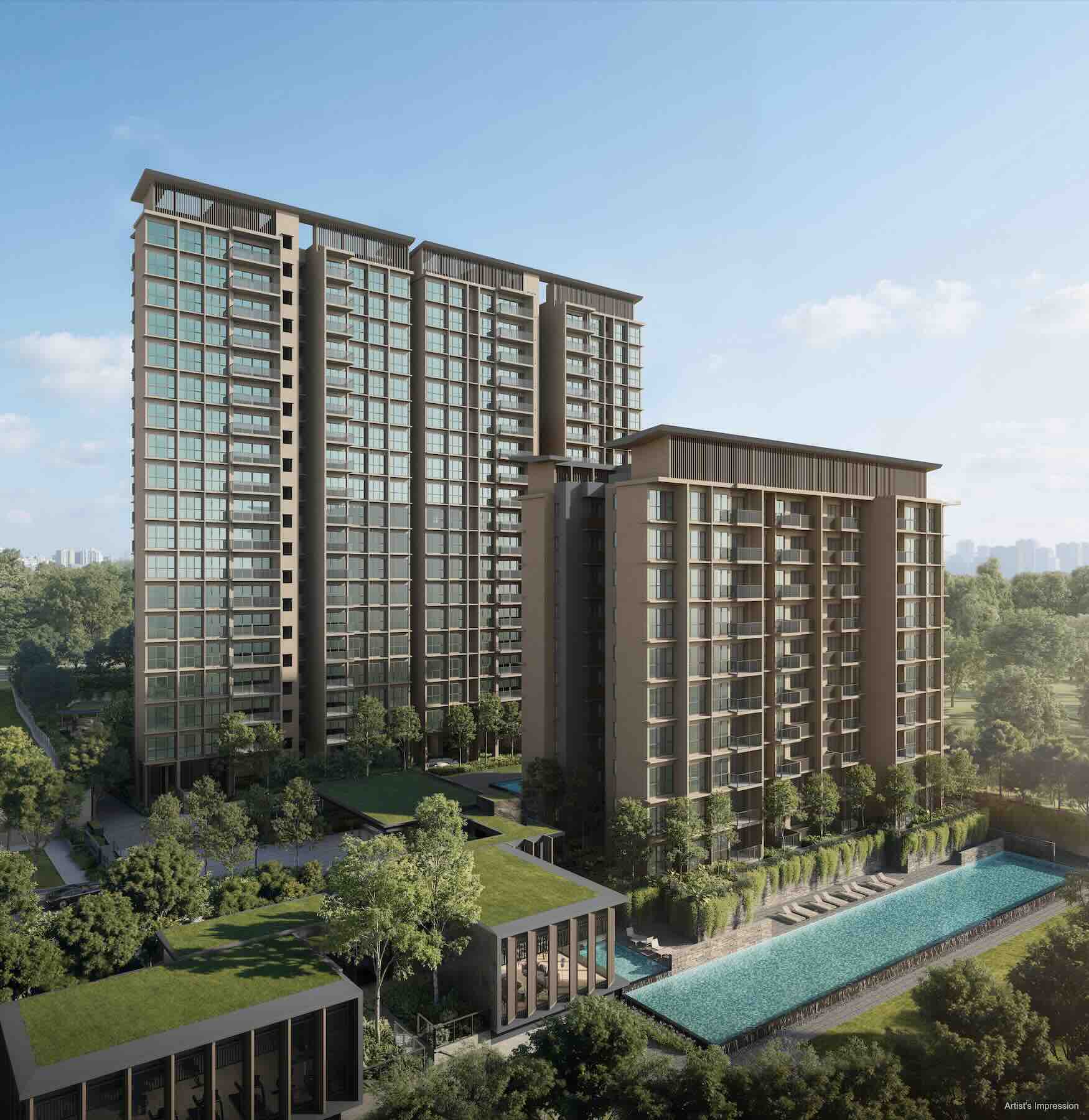
Holland and Novena offer two interesting examples of this changing landscape. Although they have different personalities, both areas show how established parts of Singapore can evolve while retaining a strong residential identity. Developments such as Amberwood at Holland and Serra Residences can be viewed within this broader transformation, where modern housing becomes part of an already established urban environment.
The Residential Character of Established Districts
A neighbourhood is shaped by more than its buildings. Streets, local businesses, community spaces and the types of homes found in an area all contribute to its character.
More Than a Collection of Buildings
Established residential districts tend to develop gradually rather than appearing all at once. Different generations of buildings may exist alongside one another, creating a mixture of architectural periods and housing styles.
This gives neighbourhoods a sense of continuity. Newer residential projects become part of an existing environment rather than creating an entirely separate community.
For homebuyers, this can make the surrounding character an important part of understanding a property.
Changing Expectations of Modern Residents
The expectations people have of their homes have also evolved. Today’s residents may pay closer attention to design, flexibility, privacy, shared environments and how their homes fit into their broader lifestyles.
These changing expectations influence the types of residential projects introduced into established districts. Developers have to respond to contemporary preferences while working within locations that already have their own identity.
Holland: A Neighbourhood With a Distinct Identity
Holland has long been recognised as an established residential area, but its character continues to develop as new buildings and businesses become part of the district.
Mixing Established and Contemporary Elements
One of the interesting aspects of Holland is the coexistence of familiar neighbourhood features with newer residential and commercial developments.
This creates a setting where modern architecture does not necessarily replace the area’s existing identity. Instead, different elements contribute to a layered urban environment.
Amberwood at Holland can be considered within this broader residential setting. Rather than looking at the project in isolation, prospective residents can consider how a newer development fits into the established character of Holland.
Why Neighbourhood Identity Matters
A recognisable neighbourhood can influence how residents experience daily life. Familiar streets, local destinations and an established community atmosphere can make an area feel different from a newly developed district.
For buyers, this means that understanding the neighbourhood can be just as informative as studying the property itself.
Novena and the Evolution of Central Singapore
Novena presents another example of how an established area can continue to evolve. Its urban environment combines residential development with a range of established institutions and commercial activity.
A More Urban Residential Setting
Compared with quieter suburban districts, Novena has a more central urban character. Its surroundings reflect Singapore’s continuing development and the demand for residential options in well-established parts of the city.
This creates a different residential experience from Holland, even though both areas have long-standing identities.
New Homes Within an Established Environment
Serra Residences sits within this broader Novena context. For prospective buyers, considering the project alongside the character of the surrounding district provides a more complete perspective.
The property itself is one part of the equation. The evolution of Novena, its existing buildings and its urban atmosphere also contribute to how residents may perceive the area.
How New Developments Add to Existing Neighbourhoods
When a new residential project enters an established district, it becomes part of an ongoing process of urban change.
Updating the Visual Landscape
New architecture can introduce different materials, proportions and design ideas to a neighbourhood. This can gradually create a more varied streetscape without eliminating older elements.
The result is often a mixture of architectural styles rather than a single uniform appearance.
Supporting a Changing Population
Residential developments can also respond to changing household preferences. Different unit configurations and contemporary layouts can provide options for people whose requirements may differ from previous generations.
This reflects a broader change in Singapore’s housing landscape, where residential design continues to adapt to the ways people live today.
Comparing Holland and Novena
Although both districts are established, they should not be viewed as interchangeable.
Different Urban Experiences
Holland has a recognisable neighbourhood atmosphere, while Novena has a more central and urban character. These differences influence the surroundings in which residents experience their homes.
For someone comparing Amberwood at Holland with Serra Residences, looking at these distinctions can provide useful context without reducing the decision to a simple list of property features.
Different Forms of Character
Neighbourhood character can come from many sources. It may be created by architecture, streetscape, local businesses, long-established buildings or the rhythm of everyday activity.
The important point is that there is no single definition of what makes an area attractive. Different residents may appreciate different types of surroundings.
What This Means for Prospective Residents
Understanding a neighbourhood’s evolution can help buyers think more broadly about residential choices.
Look at the Bigger Picture
Instead of examining only a specific development, prospective residents can explore the surrounding streets and observe how older and newer elements interact.
This can reveal whether the area has the type of atmosphere they are comfortable with and whether its character matches their expectations.
Consider Long-Term Change
Established districts rarely remain completely unchanged. New developments, infrastructure improvements, businesses and changing demographics can gradually influence their appearance and daily rhythm.
Buyers should therefore consider both the existing environment and the possibility of continued evolution.
Conclusion
Singapore’s residential landscape is constantly developing, but change does not always mean losing the identity of established neighbourhoods. Holland and Novena demonstrate how newer residential projects can become part of districts with histories and characteristics of their own.
Amberwood at Holland and Serra Residences provide useful examples for considering this relationship between modern housing and established urban environments. Their broader neighbourhood contexts offer different perspectives on how residential areas continue to evolve.
For prospective residents, looking beyond the walls of a home can provide a better understanding of what makes a location distinctive. Architecture, neighbourhood identity and gradual urban change all contribute to the character of Singapore’s residential landscape—and these elements can make each district feel different in its own way.