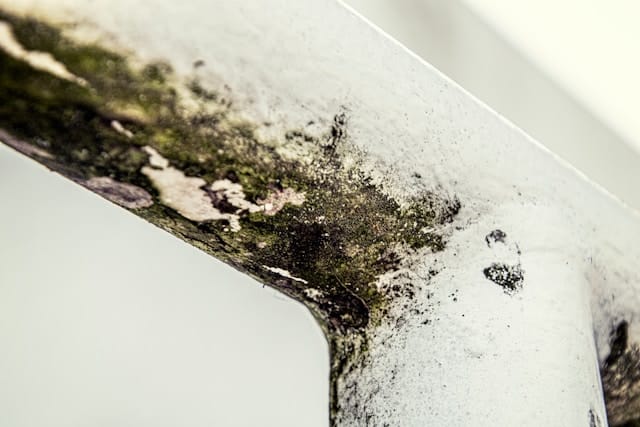
You wipe the ceiling in the bathroom until it is as clean as new. After three weeks, the same grey patches look back at you. Sound familiar? The same question is posed each year by thousands of local homeowners: why mold keep coming back in Singapore despite regular cleaning? It hasn’t much to do with the degree to which you scrubbed. It is all about water that you never discovered. This guide describes the actual causes, the places where the mold is concealed, and where professional mold removal Singapore services are the wiser option.
The Short Answer
The reason behind mold returning is that cleaning gets rid of the growth, but not the water that feeds the mold. The growth of fungi depends on three factors to survive, which are moisture, organic matter, and warmth. The last two are provided by Singapore throughout the year.
Remove the visible patch, and you have solved one-third of the problem. The moisture source remains in the same position. New mold spores are floating in every house, and they settle back on that damp surface in days.
Why Mold Keeps Coming Back in Singapore Homes?
There are a number of factors that layer up here. Knowing them makes a vicious circle a problem to solve.
The climate never gives you a break.
The outdoor Singapore humidity is usually 70-90% relative. Mold begins to grow on objects when the relative humidity in the interior exceeds approximately 60%. Your flat, therefore, begins each day close to that threshold.
The wet season drives the levels further, and the Singapore humidity does not decrease during the colder months as it does in the temperate world. The picture is made complete with tropical warmth. That mix is the reason behind a big portion of all the recurring mold problems Singapore households report.
You are treating the symptom, not the source.
Each patch of stubbornness has a water story to it. Common culprits include:
- Leaking pipes concealed in the walls or underneath sinks.
- Poorly overflowing and draining air conditioning condensate trays.
- Failed waterproofing membranes in the bathroom directly above yours.
- Condensation that appeared on chilled surfaces such as air conditioning, windows, and chilled water pipes.
- Water damage that dried on the wall surface, but was wet on the inside of the wall.
- Rising damp in old landed houses and ground-floor apartment blocks.
- Until you fix the water, cleaning simply resets the clock.
Hidden mold grows where you never look.
So when a stain is visible on your wall, there are often colonies behind the stain. Hidden mold thrives in dark, still, damp pockets
- Wardrobe backs and bedheads flattened to outer walls.
- Within false ceilings and service ducts.
- Underneath vinyl flooring and laminate planks
- Inside air conditioning fan coil units and ductwork
- Behind kitchen sinks and cabinets.
An effective mold inspection in Singapore involves the use of moisture meters and thermal imaging in order to map such areas. You cannot spot them with the naked eye.
Bleach does less than most people think.
Bleach is fairly effective in removing surface mold on tiles, glass, and other non-porous surfaces. The story is different on porous surfaces such as plaster, gypsum board, timber, and wallpaper.
The water percentage is absorbed directly into the material, but the chlorine remains on top. The roots last below, and you have just provided them with more moisture. This single habit explains countless cases where mold keeps returning in less than two weeks.
Modern homes trap air.
Sealed windows, air conditioning, and tightly packed storage decrease air circulation. Stagnant air allows moisture to hang on cold surfaces. Poor ventilation quietly degrades indoor air quality and provides microbial growth the tranquil atmosphere it requires.
Where Recurring Mold Usually Hides
There are trouble spots to be expected with different types of properties.
- Bathroom ceilings and grout lines — constant steam, low air flow, and frequent waterproofing failures over time.
- Aircon ledges and fan coil units – permanent condensation and organic dust.
- Behind kitchen cabinets — slow sink leaks go unnoticed for months.
- Frame of the window and folds of a curtain – condensation gathers and wets the cloth.
- HDB flats store rooms, bomb shelters – closed, non-ventilated, seldom opened.
- Basement levels of residential houses – moisture wicks up through the slab
Ambient moisture levels are also increased around condominium units that have pools or heavy landscaping.
What Ignoring It Actually Costs You
Wet indoor conditions are widely related to respiratory irritation. The response varies widely in individuals, but the most common symptoms reported are sneezing, blocked sinuses, itchy eyes, irritation of the throat, and an exacerbation of asthma symptoms in individuals with pre-existing asthma.
Extra caution is usually warranted for infants, elderly family members, and anyone who is immunocompromised. If your symptoms ease when you travel and return once you get home, take that pattern seriously.
Your house takes a toll as well. Mold strains plaster, swells skirting boards, destroys leather bags and shoes, decays timber, and leaves a musty smell that lingers on clothes even after laundry.
How to Remove Mold Permanently
Long-term outcomes are in a particular sequence. Omission of step one will assure a revisit.
Step 1: Find and fix the water
Find the leak, re-seal the shower, clean the aircon drainage, or fix the waterproofing. Nothing else matters until you complete this step.
Step 2: Control indoor humidity
Aim for 45% to 55% relative humidity indoors. A dehumidifier can be of great help in closed rooms. The dry mode of your air conditioner can be used in humid periods, and a cheap hygrometer informs you of where you really are.
Step 3: Restore airflow
Draw furniture four or five centimetres away from the outside of the walls. Turn on the bathroom exhaust fan for twenty minutes after showering. Open wardrobe doors once a week and do not overpack them.
Step 4: Treat or replace the material
Non-porous surfaces are easy to clean. Badly damaged gypsum board, ceiling panels, and soft furnishings tend to require removal. You cannot remove mold permanently from material that the roots have penetrated.
When to Call Mold Removal Experts in Singapore
Small patches under one square meter suit careful DIY. Hire experts when you observe:
- The same space reappears following two or three cleanings.
- The affected area is more than about one square metre.
- A stale odour with no apparent origin.
- Mold that develops following a burst pipe, ceiling leak, or flood.
- Black mold on ceilings or inside air conditioning systems.
- Symptoms reported by family members that get better outside the home.
Qualified Mold removal experts in Singapore employ containment barriers, negative air pressure, HEPA filtration, and antimicrobial treatment. Reputable mold remediation Singapore companies also conduct moisture mapping prior to and verification after the removal.
A single safety point is more important than the rest. Never dry-brush, sand, or vacuum a large colony with a household vacuum. Doing so disperses spores all over your house and introduces the issue into previously clean rooms. The reason why there are established mold removal services in Singapore is that containment requires proper equipment
Frequently Asked Questions
Why does mold recur with my cleaning?
Since it is not moisture, but growth, that is removed by cleaning, the latent leak, condensation, or trapped humidity is there, and thus new spores grow at the same location within days.
Does bleach remove mold in Singapore homes?
On non-porous surfaces such as tiles and glass. Bleach roots on plaster, wood, or gypsum board and moisturizes the material.
What is the humidity at which the growth of molds is inhibited?
Maintain indoor relative humidity at 45-55. The growth rate becomes very rapid after 60 percent, and this occurs readily when it is in the rainy season.
How frequently do I need to have a mold check?
After every one or two years is appropriate for most homes. Book within a shorter time after any water damage or remodeling, or when a musky odor is present, and there is no evident cause of this odor.
Conclusion
The answer to the question of why mold keeps coming back in Singapore houses can be boiled down to one thing: it is a moisture issue masquerading as a cleaning issue. Fix the leak, control the humidity, restore airflow, and the cycle finally breaks. Repeat instances of concealed growth or recurring returns deserve a professional assessment rather than another weekend of scrubbing on a weekend. Your house stays cleaner, the air inside your home is better, and you no longer have to pay twice to get the same thing fixed.
Is it possible to have mold after professional remediation?
Yes, in case the moisture issue was never fixed. It is always right to correct the source of water, hence the reason why it is more important to diagnose it than to clean it.