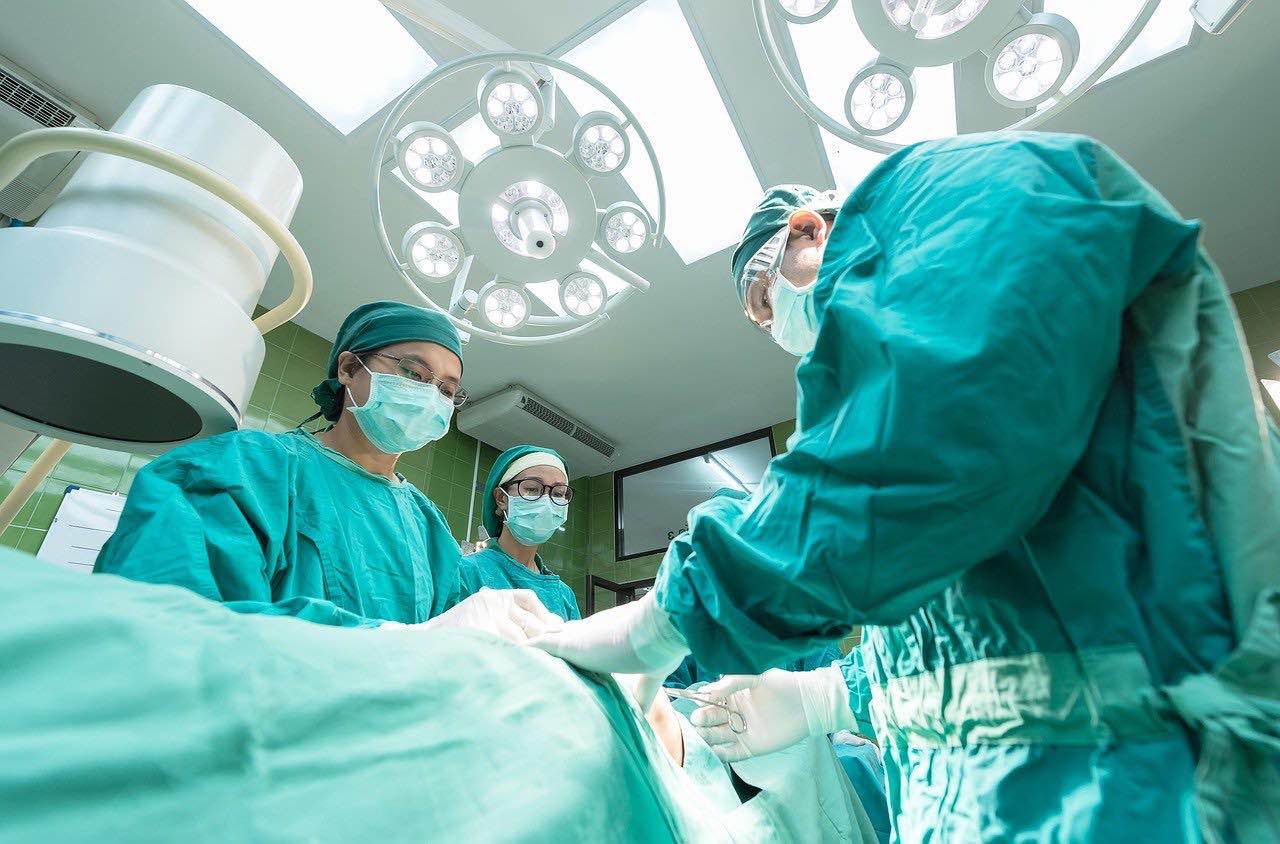
Recovering from brain tumor surgery Singapore is a gradual process that varies from person to person. Understanding why surgery may be recommended and the common misconceptions surrounding brain tumours can also help patients make more informed decisions. Brain tumor surgery aims to remove or biopsy a tumor while preserving as much healthy brain tissue as possible. Recovery depends on factors such as the tumor’s location, size, type, the extent of surgery, and a person’s overall health. Understanding what to expect during recovery may help patients and their families prepare for rehabilitation, follow-up care, and the return to daily activities.
What Is Brain Tumor Surgery Recovery?
Brain tumor surgery recovery refers to the period during which the body heals after an operation on the brain. While the surgical wound heals over several weeks, the brain itself may take longer to recover, particularly if the procedure affected areas responsible for movement, speech, vision, or memory.
Recovery typically involves:
- Healing of the surgical incision
- Monitoring for complications after surgery
- Managing pain and temporary neurological symptoms
- Rehabilitation, if required
- Follow-up imaging and specialist reviews
- Gradual return to normal activities
The recovery timeline varies depending on the complexity of the operation and each individual’s response to treatment.
Why Is It Important?
Recovery is an important part of treatment because it supports healing, reduces the risk of complications, and helps patients regain function after surgery. Close follow-up also allows the healthcare team to monitor for any changes that may require additional treatment.
During recovery, healthcare professionals monitor for:
- Infection around the surgical wound
- Brain swelling
- Seizures
- Changes in movement, balance, or coordination
- Speech or memory difficulties
- Tumor recurrence or residual tumor on follow-up imaging
Early recognition of these issues may allow timely medical intervention and rehabilitation where appropriate.
Who Should Consider It?
Anyone undergoing brain tumor surgery should understand the expected recovery process before the operation. Preparing for recovery can help patients and caregivers plan for temporary limitations and follow-up care.
Recovery planning is particularly important for people who:
- Have large or complex brain tumors
- Undergo surgery near areas controlling speech, movement, or vision
- Have pre-existing neurological symptoms
- Require rehabilitation after surgery
- Have other chronic medical conditions that may affect healing
Family members and caregivers also play an important role during the recovery period.
Who Should Seek Medical Advice First?
Some patients may benefit from additional assessment before surgery or during recovery planning.
Discuss your medical history with your neurosurgical team if you:
- Take blood-thinning medications
- Have epilepsy or a history of seizures
- Have diabetes or other chronic illnesses
- Have previous brain surgery
- Are pregnant
- Have allergies to medications or anaesthesia
- Have significant heart or lung disease
Your healthcare team will provide personalised recommendations based on your overall health and planned procedure.
What Treatment or Management Options Are Available During Recovery?
Recovery after brain tumor surgery often involves a combination of supportive care, rehabilitation, and ongoing monitoring.
| Option | How It Works | Benefits | Limitations |
| Observation and follow-up | Regular clinical reviews and brain imaging | Monitors healing and detects changes | Requires ongoing appointments |
| Medication | Controls pain, swelling, or seizures | May improve comfort and reduce complications | Some medicines may cause side effects |
| Physiotherapy | Improves strength, balance, and mobility | Supports physical recovery | Progress varies between individuals |
| Occupational therapy | Assists with daily activities and independence | Helps return to everyday tasks | May require multiple sessions |
| Speech and language therapy | Supports communication or swallowing difficulties | Improves functional recovery where needed | Depends on neurological involvement |
Some patients may also require further treatments, such as radiotherapy or chemotherapy, depending on the tumor type and surgical findings.
How Should You Prepare?
Preparing for recovery before surgery may make the transition home smoother.
Before your operation:
- Discuss expected recovery time with your neurosurgeon.
- Arrange transport home after discharge if appropriate.
- Prepare assistance with household activities during the first few weeks.
- Inform your doctor about all medications and supplements.
- Follow fasting instructions before surgery.
- Ask about restrictions on driving, work, and exercise after the procedure.
Planning ahead may reduce stress during the early recovery period.
What Happens During the Recovery Period?
Recovery begins immediately after surgery and continues after discharge from hospital.
A typical recovery may include:
- Observation in the recovery room or intensive care unit if required.
- Frequent neurological examinations to monitor brain function.
- Pain management and medications to reduce brain swelling.
- Early mobilisation with assistance when medically appropriate.
- Brain imaging to assess the surgical outcome if indicated.
- Discharge home or transfer to a rehabilitation facility depending on recovery needs.
Hospital stay may range from several days to over a week, although this varies according to the type of surgery, recovery progress, and individual medical circumstances.
Follow-up appointments are scheduled to review wound healing, neurological recovery, and pathology results, and to discuss whether further treatment is recommended.
Benefits, Risks, and Possible Side Effects
Recovery after brain tumor surgery is different for every individual. Most patients experience gradual improvement, although some symptoms may take longer to resolve.
Potential benefits
- Removal or reduction of the brain tumor
- Relief of symptoms caused by pressure within the brain
- Improved neurological function in some patients
- Information from pathology to guide further treatment
Common temporary effects
- Headache
- Fatigue
- Mild swelling around the incision
- Temporary weakness or balance difficulties
- Difficulty concentrating
Less common risks
- Infection
- Seizures
- Cerebrospinal fluid leak
- Blood clots
Serious complications
- Stroke
- Persistent neurological deficits
- Bleeding within the brain
- Significant brain swelling
Recovery timelines vary, and your neurosurgeon will advise when it is appropriate to resume work, driving, exercise, and other activities.
Cost or Availability
Brain tumor surgery is performed in specialist neurosurgical centres and selected tertiary hospitals in Singapore.
The cost of brain tumor surgery Singapore depends on several factors, including:
- The complexity of the surgery
- Hospital admission duration
- Intensive care requirements
- Rehabilitation needs
- Additional treatments after surgery
Insurance coverage, MediSave, and other financing arrangements may apply depending on the healthcare setting and individual circumstances. Patients are encouraged to discuss financial matters with their healthcare provider before treatment.
What Our Neurosurgeon Says
Patients often ask how long recovery takes after brain tumor surgery. The answer varies because every tumor and every operation is different. During recovery, we monitor wound healing, neurological function, and overall progress while addressing any symptoms that arise. Some patients regain independence quickly, while others benefit from structured rehabilitation involving physiotherapists, occupational therapists, or speech therapists. Follow-up appointments allow us to review imaging results, discuss pathology findings, and determine whether further treatment is appropriate. Recovery is an ongoing process, and the care plan is tailored to each patient’s clinical needs and progress.
Putting This Into Practice
- Follow your discharge instructions carefully.
- Take prescribed medications as directed.
- Attend all follow-up appointments.
- Participate fully in recommended rehabilitation.
- Gradually increase activity according to medical advice.
- Report any new or worsening symptoms promptly.
When to Seek Professional Help
Seek medical advice promptly if you experience:
- Increasing headache that does not improve
- New weakness or numbness
- Difficulty speaking or understanding speech
- Persistent seizures
- Fever or redness around the surgical wound
- Sudden changes in vision or consciousness
Frequently Asked Questions
How long does recovery after brain tumor surgery usually take?
Recovery varies. Many patients spend several days in hospital before continuing recovery at home, while others may require rehabilitation. Physical recovery often continues for weeks to months, depending on the complexity of the surgery, neurological function, and individual healing.
Will I need rehabilitation after surgery?
Possibly. Some patients recover without formal rehabilitation, while others benefit from physiotherapy, occupational therapy, or speech and language therapy. Your healthcare team will recommend rehabilitation if it may help improve mobility, communication, swallowing, or independence.
When can I return to work after brain tumor surgery?
The timing depends on the type of work, the extent of surgery, and your recovery. Some people return within several weeks, while others require a longer period away from work. Your neurosurgeon will advise when it is medically appropriate to resume employment.
Can I drive after brain tumor surgery?
Not immediately. Driving restrictions often apply after brain surgery, particularly if seizures have occurred or there are ongoing neurological symptoms. Your doctor will advise when driving may be appropriate based on your recovery and local regulations.
Does brain tumor surgery Singapore always require additional treatment afterward?
Not always. Some patients require only surgery, while others may be advised to undergo radiotherapy, chemotherapy, targeted therapy, or ongoing monitoring. The decision depends on the pathology results, the type of tumor, and whether any tumor remains after surgery.
Next Steps
Recovery after brain tumor surgery Singapore is a gradual process that extends beyond the operation itself. Understanding the expected recovery timeline, possible symptoms, rehabilitation options, and follow-up care can help patients and caregivers prepare for the weeks ahead. Every recovery journey is unique, and your treatment plan will depend on your diagnosis, overall health, and surgical outcome. If you have questions about recovery or experience new or worsening neurological symptoms, consult your neurosurgical team or another qualified healthcare professional for personalised advice.