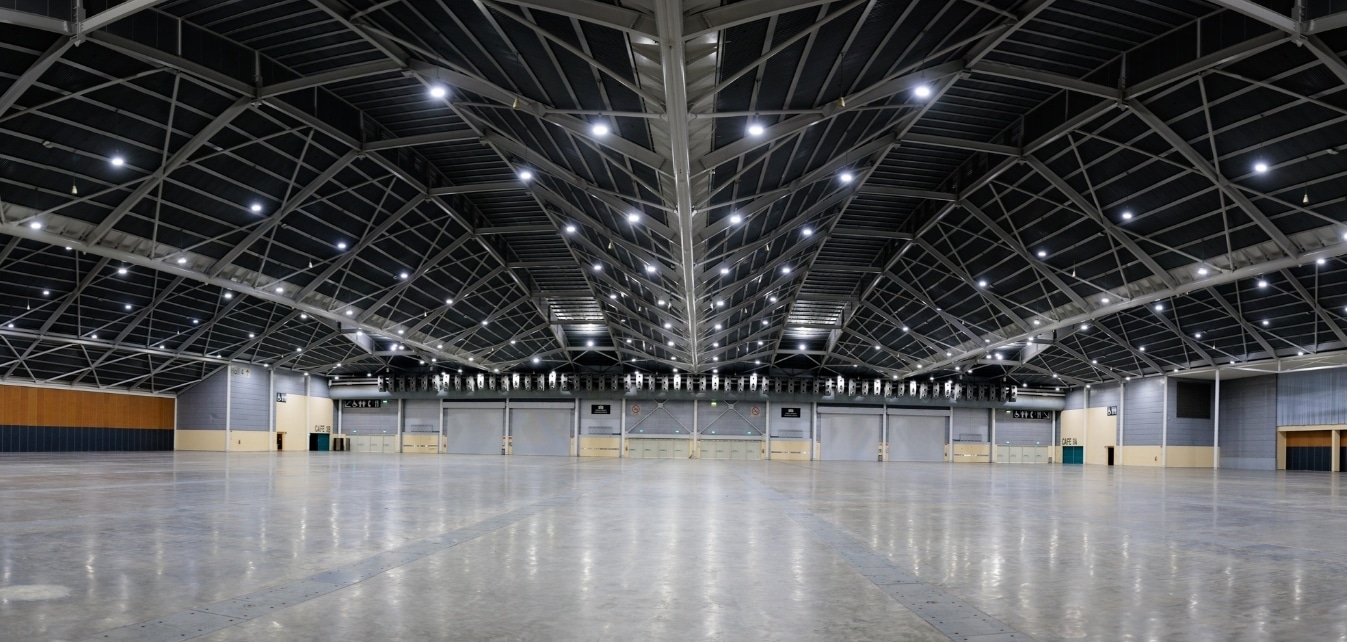
Among the most critical decisions involved in planning a large-scale event is choosing the venue. Whether you’re planning a trade show, a conference, or an expo in Singapore, the right setting can contribute to smoother event execution and a more memorable guest experience.
Selecting a suitable venue requires careful attention to whether it can support the event’s objectives along with the attendees’ needs. From size and location to facilities and amenities, these factors should be thoroughly evaluated to ensure a successful and stress-free event. When selected thoughtfully, an exhibition hall in Singapore can offer the ideal setting for your event. These venues typically feature large, open spaces that can accommodate a range of setups, crowd sizes, and other event requirements. In this article, we’ll explore the key features that make an exhibition hall in Singapore suitable for major events and explain what organisers should consider when comparing available venues.
A Convenient Location with Strong Transport Connections
An exhibition hall’s location can significantly affect how easily guests and exhibitors reach the event. Choosing venues near MRT stations or major roads can reduce travel-related inconvenience, particularly when you’re expecting thousands of attendees. For events involving international participants, selecting exhibition halls in close proximity to Changi Airport may also simplify arrivals.
When evaluating a venue, consider how guests are likely to travel and whether existing transport options can accommodate expected demand. Likewise, review the availability of parking and designated passenger drop-off points. Nearby hotels may also be valuable when delegates are visiting from overseas.
Sufficient Space for the Event’s Expected Scale
The right exhibition hall should comfortably accommodate the projected number of attendees and participating exhibitors. Beyond confirming that everyone can fit inside the venue, organisers must also account for exhibition booths and the space required for safe movement between displays. An overcrowded hall can make it difficult for guests to navigate the event and interact meaningfully with exhibitors.
Additionally, consider whether the venue provides enough usable floor area for the proposed event layout. Ceiling height should also be considered if the programme includes tall installations or substantial display structures. To ensure that an exhibition hall meets your requirements, review its official specifications and confirm how capacity changes when additional equipment is introduced.
Flexible Layouts That Support Different Event Formats
Major events may use an exhibition space in different ways. A trade exhibition may require extensive booth arrangements, while a professional conference might need a large presentation area alongside smaller discussion spaces. An adaptable venue allows organisers to configure the hall according to the event’s specific purpose. Column-free spaces, for example, can be particularly useful because they can adapt to a variety of setups while providing greater freedom of movement for event attendees.
Also, consider whether the venue can accommodate multiple activities without forcing participants to move between distant locations. Adjacent meeting rooms can support workshops, private discussions, or concurrent sessions while the main exhibition continues. Modular spaces may also help organisers adjust their plans if attendance exceeds initial expectations. This flexibility becomes especially valuable when the event programme evolves during the planning process.
Reliable Technology and Technical Infrastructure
Modern exhibitions often depend on stable internet access and dependable audiovisual systems to support digital demonstrations, online registration tools, or live-streaming platforms. A venue with insufficient bandwidth can create disruptions that affect both event operations and the guest experience. To ensure smooth event flow, confirm whether the available network can support the expected number of simultaneous users.
Power supply is another important consideration, especially when exhibitors operate specialist equipment or large digital displays. Before booking a venue, ask about available electrical connections and whether technical personnel can provide assistance during the event. If the programme includes a hybrid component, verify that the venue can accommodate the necessary streaming arrangements. Understanding these requirements early can help prevent avoidable technical problems on event day.
Practical Facilities That Improve Attendee Comfort
An event can become less enjoyable when basic visitor facilities are inadequate. Accessible washrooms and rest areas improve convenience and comfort while helping guests remain on-site. Suitable air-conditioning is also important in Singapore’s climate, particularly when an exhibition hall accommodates a large crowd, and especially in the months of April and May.
Food and beverage availability deserves attention as well, especially when an exhibition runs for several hours or across multiple days. As such, confirm whether the venue offers on-site dining or can arrange catering that meets the event’s requirements. Additionally, dedicated registration areas may help prevent queues from spilling into exhibition spaces. These practical facilities contribute to a more organised experience and allow attendees to focus on the event itself.
Accessibility and Safe Movement Throughout the Venue
Beyond location, space, and other practical considerations, organisers should also evaluate whether an exhibition hall can accommodate guests with different access requirements. Step-free entrances and accessible washrooms can help attendees with mobility needs participate more comfortably. Moreover, organisers should examine whether routes between key areas are easy to navigate. Singapore’s Code on Accessibility in the Built Environment sets out minimum design requirements intended to support accessible and inclusive buildings.
Safety considerations are equally important when an event attracts a large audience. Organisers must ensure that the proposed layout maintains clear emergency exits and avoids creating bottlenecks near popular exhibits. Also, depending on the event and how the premises will be used, additional fire safety requirements or permits may be necessary. Discuss these matters with the venue team early so crowd management arrangements can be incorporated into the final floor plan.
Choosing the right venue is an important step in ensuring the success of a major event in Singapore. While there are several options to choose from, it’s important to recognise that not all event spaces are created equal. By evaluating how well an exhibition hall’s location, capacity, features, and amenities align with your event’s goals and requirements while supporting attendee convenience and comfort, you’ll find an ideal space that contributes to a smoother event and a more memorable occasion.