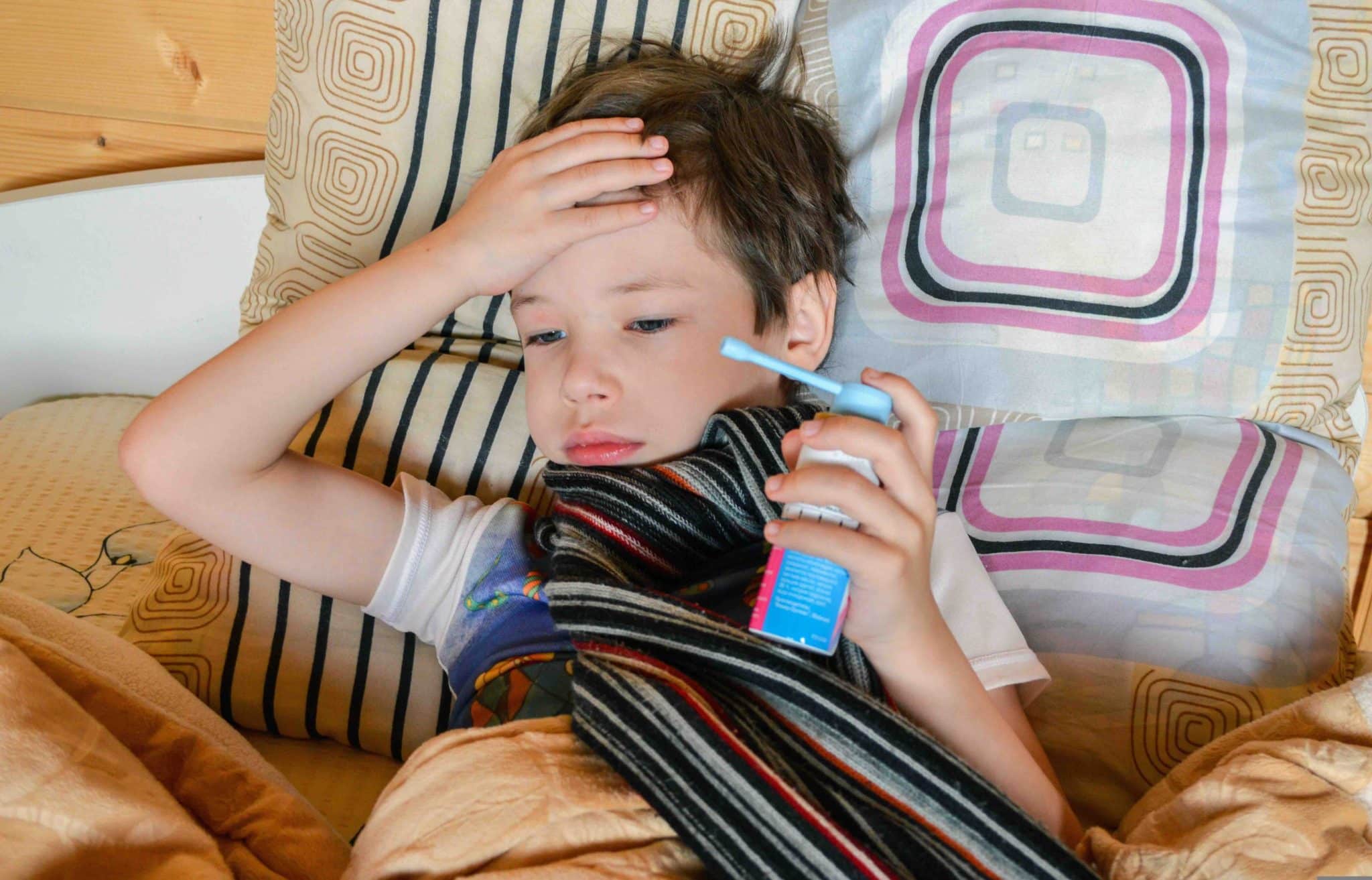
It often starts with a sudden flurry of sneezes, a sleeve wiped across an itchy nose, and watery eyes that make it look like your child is about to cry. When these symptoms appear, it’s easy to assume a common cold is making the rounds at school. But if those sniffles linger for weeks without a fever, something else may be at play. Allergic rhinitis, often referred to as hay fever, affects about one in two children in Singapore and can quietly disrupt sleep, comfort, concentration, and overall well-being.
As a parent or caregiver, it’s not always easy to know what’s behind these symptoms or how best to manage them. Many families eventually try lifestyle changes, preventive routines, and allergic rhinitis treatment Singapore healthcare providers recommend when symptoms become persistent or disruptive.
The encouraging news is that with steady awareness and practical adjustments, you can help reduce your child’s exposure to allergens and keep symptoms under better control. Here are practical strategies you can use to ease the challenges of allergic rhinitis and support your child’s comfort day to day.
Pay Attention to What Triggers Symptoms
One of the most useful things you can do to manage allergic rhinitis is to notice when and where your child’s symptoms seem to worsen. The allergy attacks are rarely random; they’re usually set off by everyday elements like dust mites, pollen, pet dander, or air pollutants.
Keeping a simple record of symptoms and possible triggers can help you spot patterns over time. For example, if your child sneezes frequently right after waking in the morning or after a nap, dust mites in the mattress may be the culprit. If their nose starts running only after playing in the yard or visiting a friend with a cat, outdoor pollen or animal dander could be to blame. These observations don’t just guide your own adjustments at home but they also give doctors a clearer picture if you decide to seek medical advice, making it easier to pinpoint triggers and recommend appropriate treatments.
Make Your Home More Allergy-Friendly
Once you have a clearer sense of what may be triggering your child’s symptoms, you can adjust your living environment to reduce exposure to those substances. In humid environments like Singapore, mould spores can thrive easily, so, to minimise risks, keep bathroom surfaces dry, address leaks promptly, and use dehumidifiers in damp areas.
Outdoor allergens can also find their way indoors if preventive measures are not in place. During periods when pollen counts are high or haze levels are elevated, keeping windows closed and using an air conditioner can help limit the amount of airborne particles entering your home. If your home has carpeting or large area rugs, vacuuming regularly with a high-efficiency particulate air (HEPA) filter can be particularly beneficial. These filters are designed to trap fine particles instead of recirculating them back into the air, effectively controlling the spread of allergens.
Support Better Sleep Habits
When allergy symptoms are at their worst, bedtime can become challenging. A blocked nose, frequent sneezing, or postnasal drip can make it difficult for your child to settle into sleep, and even harder to stay asleep through the night. What might seem like a simple bedtime struggle can quickly spill over into the next day.
Indeed, poor sleep can have a ripple effect on many aspects of your child’s day-to-day life. They may feel more tired or have difficulty concentrating in school, while becoming more irritable than usual. That’s why creating a consistent bedtime routine and maintaining a clean and cosy sleeping environment are important to improve comfort during the night.
It is also worth paying attention to signs such as mouth breathing, loud snoring, or frequent waking. These symptoms may indicate that allergic rhinitis is having a more significant impact on sleep quality and should be discussed further with a healthcare professional.
Encourage Simple Hygiene Habits
Children are naturally active and curious, which means they often come into contact with allergens throughout the day without them realising it. Fortunately, a few simple habits can go a long way in reducing how much of those allergens linger on their skin, clothing, and hair.
Encourage your child to wash their hands after playing outdoors and before touching their face. This small step helps prevent allergens from being transferred directly to sensitive areas like the nose and eyes. If they’ve spent a long time outside during high-pollen periods, changing clothes as soon as they get inside and taking a quick shower can make a noticeable difference.
While these practices may seem minor, they can contribute to a broader allergy-management strategy and may help reduce symptom severity over time.
Monitor Symptoms Year-Round
Many people associate allergies with certain seasons, but allergic rhinitis isn’t always limited to specific times of the year. Indoor allergens such as dust mites and pet dander can trigger symptoms throughout the year, regardless of the season.
That’s why you should keep an eye on your child’s symptoms consistently rather than only during periods when outdoor allergens are expected to be higher. If symptoms persist month after month, it can indicate that an indoor trigger is playing a role.
By recognising whether your child’s discomfort follows a seasonal pattern or persists year-round, you’ll be better equipped to decide which environmental adjustments matter most and when it’s time to seek medical guidance.
Allergic rhinitis may be common among children, but that doesn’t mean you should accept persistent symptoms as part of everyday life. Paying attention to changes in your child’s condition and responding early can make a meaningful difference in their comfort and overall well-being. If symptoms continue despite your efforts at home or become increasingly difficult to manage, seeking professional care can provide clarity and support. Early intervention not only improves symptom control but can also uncover underlying issues that may need more targeted treatment.