Shingles is a painful viral infection that becomes increasingly common with age as the immune system naturally weakens. Although it usually causes a blistering rash, it can also lead to long-lasting nerve pain and other complications. This guide to shingles vaccination explains how the vaccine works, who may benefit from it, and why it is considered an important preventive measure for many older adults.
What Is Shingles Vaccination?
Shingles vaccination helps protect against herpes zoster, commonly known as shingles. Shingles occurs when the varicella-zoster virus, the same virus responsible for chickenpox, becomes active again years after the initial infection. The vaccine strengthens the immune system’s ability to suppress the virus, lowering the likelihood of developing shingles and reducing the risk of serious complications.
People who may be affected include:
- Adults aged 50 years and older
- Individuals who previously had chickenpox
- Adults with weakened immune systems, where appropriate
- People with chronic medical conditions that increase the risk of shingles
Vaccination is intended to prevent shingles rather than treat an active infection.
Why Is Shingles Vaccination Important?
The risk of shingles increases with age because immune protection against the dormant virus gradually declines. While many people recover completely, others develop complications that may persist long after the rash has resolved.
Potential benefits of vaccination include:
- Lower risk of developing shingles
- Reduced likelihood of postherpetic neuralgia, a chronic nerve pain condition
- Lower risk of shingles affecting the eyes or ears
- Fewer severe symptoms if shingles develops despite vaccination
- Reduced disruption to daily activities caused by prolonged pain
Preventing shingles may also reduce the need for antiviral medications and prolonged pain management.
Who Should Consider Shingles Vaccination?
Not everyone has the same risk of developing shingles. Healthcare providers generally recommend vaccination based on age, medical history, and immune status.
Vaccination may be appropriate for:
- Adults aged 50 years and older
- Adults with certain chronic medical conditions
- Individuals with weakened immune systems, depending on clinical assessment
- People who have previously experienced shingles
- Individuals who previously received an older shingles vaccine, where revaccination is recommended
Your healthcare provider can determine whether vaccination is appropriate based on your individual health profile.
Who May Need Medical Advice Before Vaccination?
Although shingles vaccination is suitable for many adults, some individuals should discuss their medical history with a healthcare professional before receiving the vaccine.
Medical review is recommended if you:
- Have experienced a severe allergic reaction to a previous vaccine
- Are currently experiencing shingles
- Have an active infection with fever
- Are pregnant or planning pregnancy
- Take medications that affect immune function
- Have significant immunodeficiency or ongoing cancer treatment
A healthcare assessment helps ensure vaccination is given safely and at the appropriate time.
What Types of Shingles Vaccines Are Available?
Two shingles vaccines have been licensed for use in Singapore, although the recombinant vaccine is more commonly used today because of its broader suitability for eligible adults.
| Vaccine | How It Works | Benefits | Limitations |
| Recombinant shingles vaccine | Uses a viral protein to stimulate the immune system without containing live virus | Suitable for many older adults and certain immunocompromised individuals | Requires two doses |
| Live attenuated shingles vaccine | Uses a weakened live virus to stimulate immunity | Previously used for shingles prevention | Not suitable for many immunocompromised individuals and is less commonly used |
Your healthcare provider will recommend the most appropriate vaccine based on your medical history and current health status.
How Should You Prepare?
Most people require little preparation before receiving shingles vaccination. However, providing accurate medical information helps ensure safe vaccination.
Before your appointment, inform your healthcare provider about:
- Previous allergic reactions
- Current medications
- Existing medical conditions
- Pregnancy or breastfeeding
- Recent illnesses or fever
- Previous shingles or shingles vaccination
It is also helpful to stay well hydrated and ask any questions you may have before receiving the vaccine.
What Happens During Vaccination?
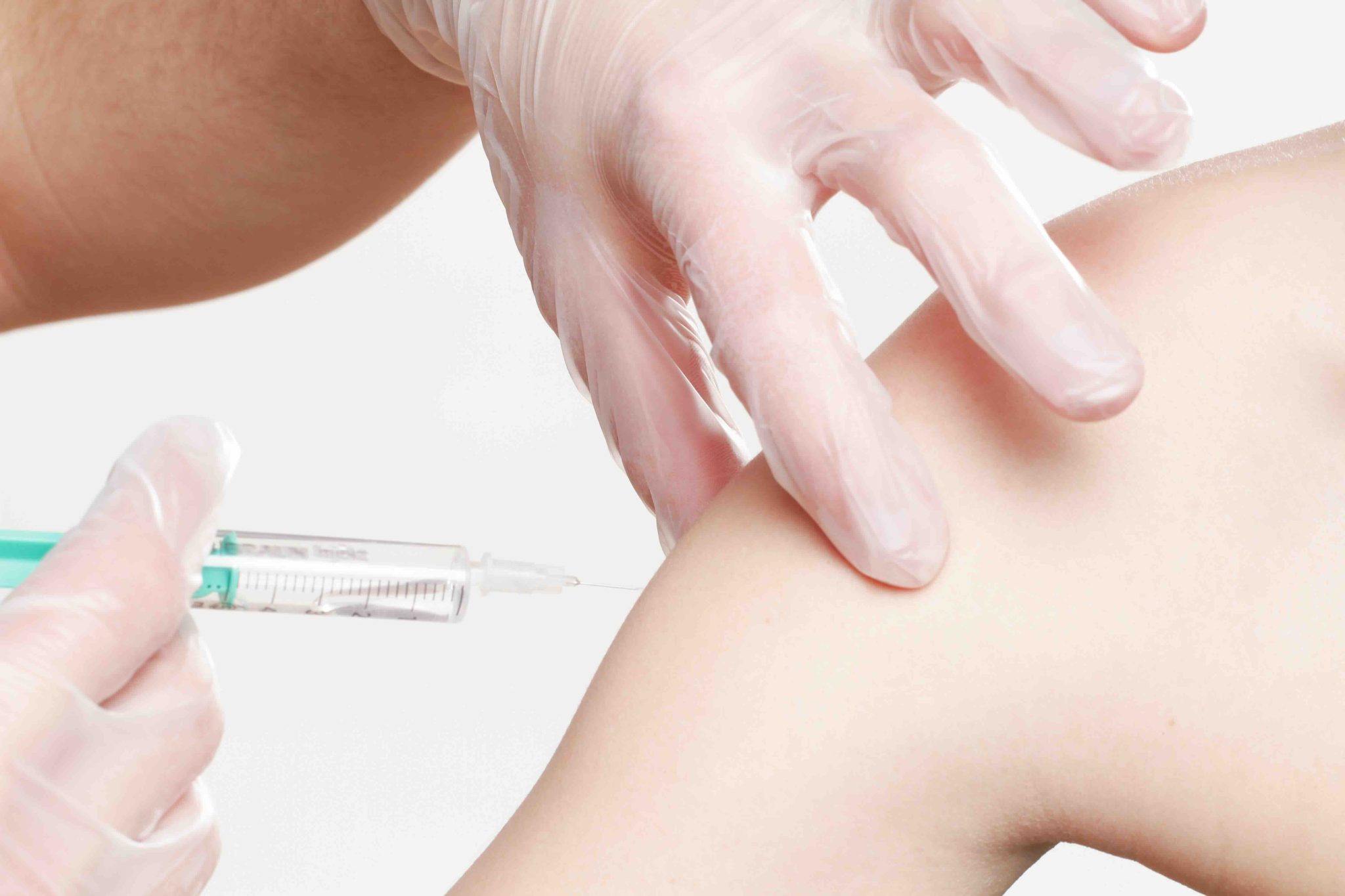
The recombinant shingles vaccine is administered as an injection into the upper arm muscle. The complete vaccination schedule consists of two doses given several months apart, depending on current recommendations.
You can generally expect:
- A brief outpatient appointment
- Injection into the deltoid muscle
- Mild observation immediately after vaccination if required
- Return for the second scheduled dose
- Normal daily activities to resume shortly after vaccination unless otherwise advised
Most people do not require special recovery measures following vaccination.
Benefits, Risks, and Possible Side Effects
Like all vaccines, shingles vaccination offers benefits while also carrying the possibility of temporary side effects. Most reactions are mild and resolve within a few days.
Common side effects include:
- Pain, redness, or swelling at the injection site
- Fatigue
- Muscle aches
- Headache
- Mild fever
- Chills
Seek medical attention promptly if you develop:
- Difficulty breathing
- Severe allergic reactions
- Widespread rash
- Persistent swelling or severe pain
- Loss of consciousness or collapse
Serious adverse reactions remain uncommon.
Availability in Singapore
Shingles vaccination is available at many healthcare institutions in Singapore, including private clinics, polyclinics, and selected general practitioner clinics. Eligibility for government subsidies or MediSave use may depend on prevailing national healthcare policies and individual eligibility criteria.
Patients should consult their healthcare provider for the most up-to-date information regarding vaccine availability, recommended schedules, and applicable healthcare financing schemes.
What Our Multi-Specialty Clinic Says
Many patients ask whether shingles vaccination is necessary if they are otherwise healthy or have previously experienced chickenpox. In many cases, vaccination remains an appropriate preventive option because immunity naturally declines with age and shingles can occur years after the original infection. During consultation, we assess each individual’s medical history, medications, and overall health before discussing vaccination. Our goal is to provide balanced, evidence-based advice so patients understand both the potential benefits and possible side effects, allowing them to make informed decisions about their long-term health.
Putting This Into Practice
- Learn whether you are eligible for shingles vaccination.
- Keep a record of your vaccination history.
- Manage chronic medical conditions appropriately.
- Maintain healthy lifestyle habits that support immune function.
- Seek medical advice if you develop a painful rash.
- Attend scheduled vaccination appointments if recommended.
When to Seek Professional Help
- You develop a painful blistering rash on one side of the body.
- The rash affects your face or eyes.
- You have persistent nerve pain after shingles.
- You experience severe reactions after vaccination.
- You are unsure whether vaccination is suitable because of your medical history.
- You have questions about vaccination while taking immunosuppressive medications.
Frequently Asked Questions
Is shingles vaccination safe for older adults?
Yes. Recombinant shingles vaccines have demonstrated a favourable safety profile in eligible older adults. Most side effects are mild and temporary, such as soreness at the injection site or fatigue. Your healthcare provider can determine whether vaccination is appropriate based on your medical history.
Can I receive the shingles vaccine if I have already had shingles?
Yes. Previous shingles infection does not provide lifelong protection against recurrence. Depending on your health status and recovery, your healthcare provider may recommend vaccination to reduce the risk of future episodes.
Does this guide to shingles vaccination apply if I have diabetes or another chronic illness?
Generally, yes. Many people with chronic medical conditions may benefit from vaccination because they can have a higher risk of shingles or its complications. Your healthcare provider will consider your individual health circumstances before making a recommendation.
Can the shingles vaccine cause shingles?
No. The recombinant shingles vaccine does not contain live varicella-zoster virus and cannot cause shingles. Mild side effects following vaccination are expected immune responses rather than signs of infection.
How long does protection from shingles vaccination last?
Current evidence suggests that protection remains strong for several years after completing the recommended vaccination schedule. Researchers continue to study long-term protection, and future recommendations may change as additional evidence becomes available.
Next Steps
Shingles becomes increasingly common with age, but vaccination can significantly reduce the risk of developing the disease and its complications. Understanding who may benefit from vaccination, recognising when medical advice is needed, and discussing your personal health history with a healthcare professional can help you make an informed decision. If you are aged 50 years or older, have chronic medical conditions, or have questions about your eligibility, consult a healthcare professional to determine whether shingles vaccination is appropriate for your individual needs.