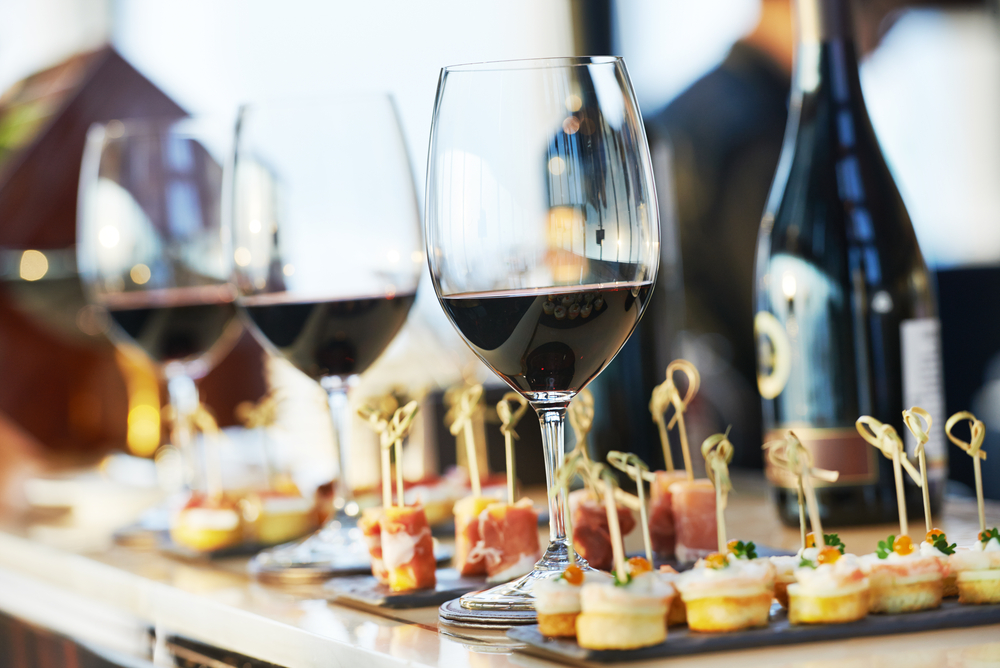
Not drinking at social events where alcohol flows freely creates a specific kind of discomfort that’s hard to explain to people who haven’t experienced it. It’s not just about missing the drinks themselves, it’s about feeling slightly outside the group dynamic, fielding questions about why you’re not drinking, and trying to find something decent to drink that isn’t just water or cola. Whether someone’s given up alcohol permanently, taking a break, driving, pregnant, or simply doesn’t feel like drinking that night, navigating these situations gets easier with the right approach.
The awkwardness isn’t imaginary. Social drinking has been so deeply embedded in British culture that choosing not to participate can feel like breaking an unspoken rule. People notice when someone’s not drinking, they comment on it, and sometimes they take it personally or make it weird. Understanding how to handle these moments makes the difference between feeling comfortable at events and counting down the minutes until it’s acceptable to leave.
The Drink in Hand Strategy
Having something to drink, even if it’s non-alcoholic, solves multiple problems at once. It gives hands something to do, which sounds trivial but matters when everyone else is holding glasses. It reduces the number of times people offer drinks or ask why you’re not having anything. Most importantly, it makes not drinking less visible and therefore less likely to become a topic of conversation.
The trick is finding something that looks roughly like what everyone else is drinking. A glass of tonic water with lime could be a gin and tonic. Alcohol-free beer in a bottle looks identical to regular beer. A fancy mocktail in a proper glass blends in with cocktails. The goal isn’t to deceive anyone, it’s to avoid drawing attention in the first place.
Quality matters more when not drinking because there are fewer options to rotate through over the course of an evening. Sites such as WiseBartender stock the kind of interesting non-alcoholic drinks that make not drinking feel less like a sacrifice. Having access to decent alternatives, whether at home before going out or at venues that stock them, changes the whole experience of social events without alcohol.
The worst choice is standing around with nothing to drink at all. This immediately signals to everyone that something’s different, which leads to questions and comments. Even plain soda water becomes preferable to empty hands, though ideally there’s something more interesting available.
Handling the Questions
People will ask why someone’s not drinking. It’s inevitable, and the questions come from different places. Some people are genuinely curious, others feel self-conscious about their own drinking and need reassurance, and a few are just making conversation. The response doesn’t need to be detailed or deeply personal.
Simple answers work best. “Not tonight” or “Taking a break” usually satisfies curiosity without inviting follow-up questions. “Driving” is universally accepted and rarely challenged. “Just don’t feel like it” is also perfectly valid, though it sometimes prompts more questions from people who can’t imagine choosing not to drink when the option’s available.
The mistake is over-explaining. Lengthy justifications about health, sleep quality, productivity, or past experiences with alcohol make the conversation bigger than it needs to be. They also shift attention to the not-drinking, which is exactly what most people want to avoid. Brief, casual responses that don’t invite discussion work better than detailed explanations.
For people dealing with more serious reasons like recovery or health issues, the decision about what to share is personal. There’s no obligation to disclose private information, and responses can be as vague as feels comfortable. Anyone who pushes for more detail after getting a simple answer is being rude, and that’s their problem, not something requiring further explanation.
Dealing with Pressure
Some people can’t let it go. They’ll ask repeatedly if someone’s sure they don’t want a drink, suggest “just one won’t hurt,” or act like not drinking is somehow judging their drinking. This pressure ranges from mildly annoying to genuinely uncomfortable, and it happens more often than it should.
Staying firm without getting defensive usually works. Repeating the same simple response, “No thanks, I’m good with this,” eventually gets through to most people. The key is not engaging with the underlying assumption that not drinking requires justification. It doesn’t, and treating it as normal rather than exceptional often helps others do the same.
Sometimes the pressure comes from a good place, like hosts who feel responsible for making sure everyone has a good time and interpret not drinking as not enjoying the event. Reassuring hosts that everything’s fine and the event is great regardless of drink choice usually eases this concern. The problem is when people take personal offense or make it about themselves rather than respecting a simple choice.
For persistent pressure, particularly from people who’ve had several drinks themselves, removing yourself from the conversation becomes necessary. Finding other people to talk to, going outside for air, or just excusing yourself to the bathroom breaks the cycle without creating conflict. There’s no requirement to keep explaining the same decision to someone who isn’t listening.
Finding the Right Events
Not all social events feel the same when not drinking. Small dinner parties where conversation drives the evening work better than loud pub nights where drinking is the main activity. Events with clear purposes beyond drinking, whether that’s watching sport, playing games, or celebrating something specific, create natural engagement that doesn’t rely on alcohol.
Brunch and daytime events often involve less drinking by default, making them easier to navigate. Coffee catch-ups, afternoon activities, and early evening gatherings usually feature fewer drinks and less pressure around alcohol. Choosing or suggesting these kinds of events when possible makes socializing while not drinking more comfortable.
The problem comes with events where heavy drinking is expected, weddings, stag dos, work Christmas parties, and similar occasions. These situations require more conscious navigation because everyone’s drinking and the environment actively encourages it. Arriving slightly later and leaving earlier than the heaviest drinking periods helps, as does having a clear exit strategy when things get messy.
The Energy Shift
One thing that catches people off guard is how different the energy feels at events when not drinking while everyone else is. Conversations that seemed hilarious at the time feel less funny when sober. The music seems too loud. People start repeating themselves and not noticing. The shift from fun to sloppy happens earlier from a sober perspective.
This doesn’t mean the events aren’t enjoyable, they’re just different. Some people find they actually prefer experiencing events sober, noticing things they missed before and having clearer memories. Others find certain events less appealing without alcohol and choose to attend fewer of them. Both responses are valid.
The gap widens as the night goes on. Early in an event, the difference between drinking and not drinking is minimal. A few hours in, when others are several drinks deep, the experience diverges significantly. Planning to stay for the good part and leave before the messy part often makes sense, though it depends on the specific event and social obligations involved.
Building New Patterns
Navigating social events without drinking gets easier with practice, but it also sometimes means rethinking which events to attend and how to socialize. People who stop drinking often find themselves gravitating toward different activities and different social circles over time, not because they’re avoiding friends who drink but because their interests and priorities shift.
This might mean suggesting different types of hangouts, hosting events at home where drink options can be controlled, or finding groups where not drinking is more common. Running clubs, hobby groups, and activity-based socializing naturally involve less alcohol, making them comfortable spaces for people who aren’t drinking.
The goal isn’t isolation from anyone who drinks, most people who don’t drink still have friends and family who do. It’s about finding the right balance of social engagement that feels genuine and comfortable rather than forced or awkward. Some events and relationships become less important, while others strengthen. That’s normal and healthy rather than something to feel guilty about.
Making It Normal
The more casually someone treats not drinking, the more casually others tend to respond to it. Acting like it’s a big deal or a significant sacrifice makes others view it that way too. Treating it as a straightforward personal choice, no different than food preferences or how someone takes their tea, removes much of the awkwardness.
This confidence comes partly from having good alternatives available and partly from practice being the person not drinking at events. The first few times feel strange, but it becomes normal surprisingly quickly. What seemed like a major social barrier often turns out to be far less significant than anticipated once someone actually experiences it.
Social events without drinking require some adjustment and conscious navigation, but they’re absolutely manageable. Having decent drink alternatives, brief responses to questions, and realistic expectations about how events will feel makes the experience far more comfortable than most people expect before trying it.