More than just a space for corporate gatherings and formal presentations, an auditorium can also serve as a fitting venue for a range of live entertainment events. An auditorium’s stage and seating work together with its design and acoustics to support engaging performances and an unforgettable audience experience.
Whether you’re organizing a musical performance or producing a theatrical show in Singapore, booking an auditorium for rent is worth considering. Below, we’ll explore different types of live entertainment that can be hosted in a rental auditorium in Singapore and discuss how the venue’s design and features can support each performance.
Musical Performances
A solo recital or chamber music performance lets listeners hear details such as the soft attack of a bowed note or the decay of a piano chord. These types of performances can benefit from an auditorium designed for acoustic music. The room’s design reflects unamplified sound toward the seating area, allowing the audience to hear quiet passages and follow how the instruments or voices blend.
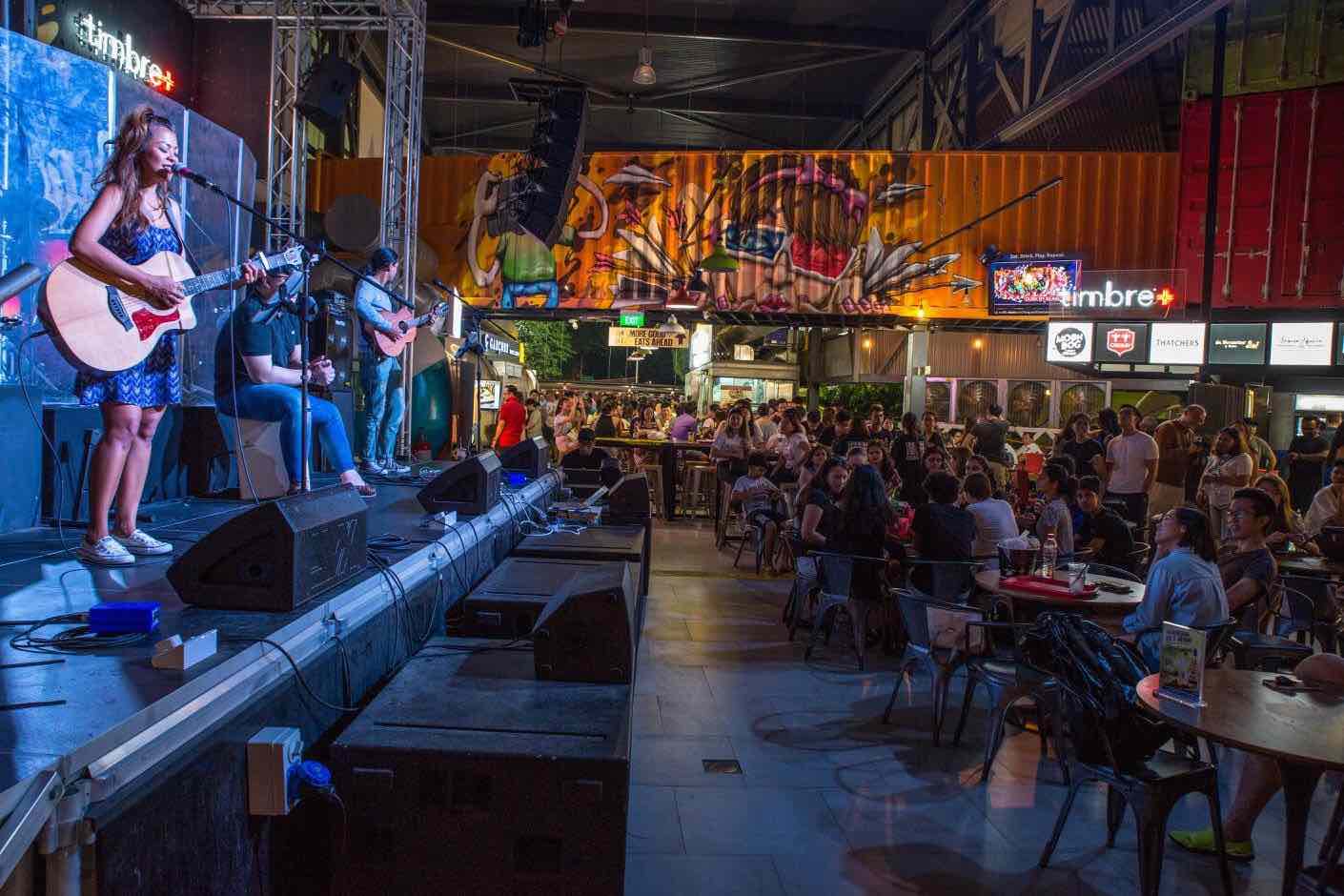
Meanwhile, pop concerts or rock shows rely on a careful balance of vocals and instrumental arrangements. These formats are well suited to an auditorium equipped for amplified performances. Microphones and loudspeakers distribute the mix across the seating area, helping listeners farther from the stage hear the vocals and instruments in balance. Stage monitors provide a separate mix that allows musicians to hear themselves and the other performers.
Dance Showcases
A dance showcase can feature a single company or bring several groups together in one program. A wide, unobstructed stage allows performers to travel and change formations with ease, while a sprung floor provides some give during jumps and landings. An auditorium’s wings also give dancers space to wait out of the audience’s sight and enter as the previous group leaves.
Tiered seating can help viewers see footwork and follow patterns that extend across the stage. This is especially useful in an ensemble piece, where part of the choreography may involve one group moving downstage while another continues in the background. A clear vantage point lets the audience see how those movements relate.
Theatrical Productions
A theatrical production, such as a play, an opera, or a musical theatre performance, can unfold on a single set or move between locations as the story develops. Stage depth gives actors space to move around scenery and lets a production show action in the foreground while keeping another part of the set visible behind it. Meanwhile, the backstage space allows scenery for the next scene to wait out of the audience’s view.
An auditorium’s lighting and sound controls can help establish where a scene takes place and signal when it changes. For instance, a light fading on one side of the stage can direct attention to an actor entering from the opposite side, while a sound cue can suggest that something is happening beyond the set.
Talent Competitions
A talent competition can bring a variety of acts together in a single program. One contestant might sing to a backing track, while the next performs with live accompaniment. An auditorium stage equipped with audio playback and multiple microphone inputs can accommodate both acts. The backstage waiting area keeps the next contestants close without bringing them into view.
Auditorium seating gives judges a view of each act from the audience’s perspective. Seats with a clear view of the full stage allow them to see how a group uses the performance area while hearing the same sound mix as nearby spectators. Audience seating also lets viewers watch comfortably while the host facilitates the show.
Cultural Performances
A cultural performance may bring traditional music and storytelling together or feature dancers working with live accompaniment. A stage that can accommodate musicians alongside other performers makes their interaction visible to the audience. It also provides room for performers to respond to one another’s cues as the pace or rhythm changes.
A suitably equipped auditorium can also help audiences follow a performance rooted in a language or tradition unfamiliar to them. Projected translations can accompany spoken or sung passages, while an amplified introduction can explain the meaning of a piece before it begins. These features give the audience enough context to follow the performance as it unfolds.
Stand-Up Comedy Shows
Stand-up comedy typically involves a solo performer who speaks directly to the audience. The performance depends on the audience hearing the setup as clearly as the punchline. A microphone and evenly distributed sound let the comedian speak at a conversational level, so even listeners in the rear seats can catch a quiet aside or a change in tone that affects how a joke lands.
Front lighting makes expressions and gestures visible, which matters when the performer uses a look or a pause to get a laugh. Seating close to the stage also supports comedy routines that involve conversation with the crowd, giving the performer a better view of the people they’re speaking with.
Live Magic and Illusion Shows
A stage illusion may involve a large prop and a reveal designed to be seen from specific angles. An auditorium’s forward-facing seating gives spectators a shared view of the effect, while curtains and backstage space allow the magician to prepare props out of sight until the right moment.
Smaller magic tricks can also work in an auditorium. A live camera feed projected onto a screen can show a card or coin in enough detail for people in the rear seats to follow the effect. The audience can see the magician onstage and glance at the screen when the trick depends on a small movement.
A rental auditorium in Singapore can serve a wide range of live entertainment events, offering a setting that supports effective presentation and comfortable viewing. Whether it’s an acoustic performance, a theatrical show, a talent contest, or a live comedy act, a well-designed and properly equipped auditorium can provide the space you need for engaging performances and memorable audience experiences.