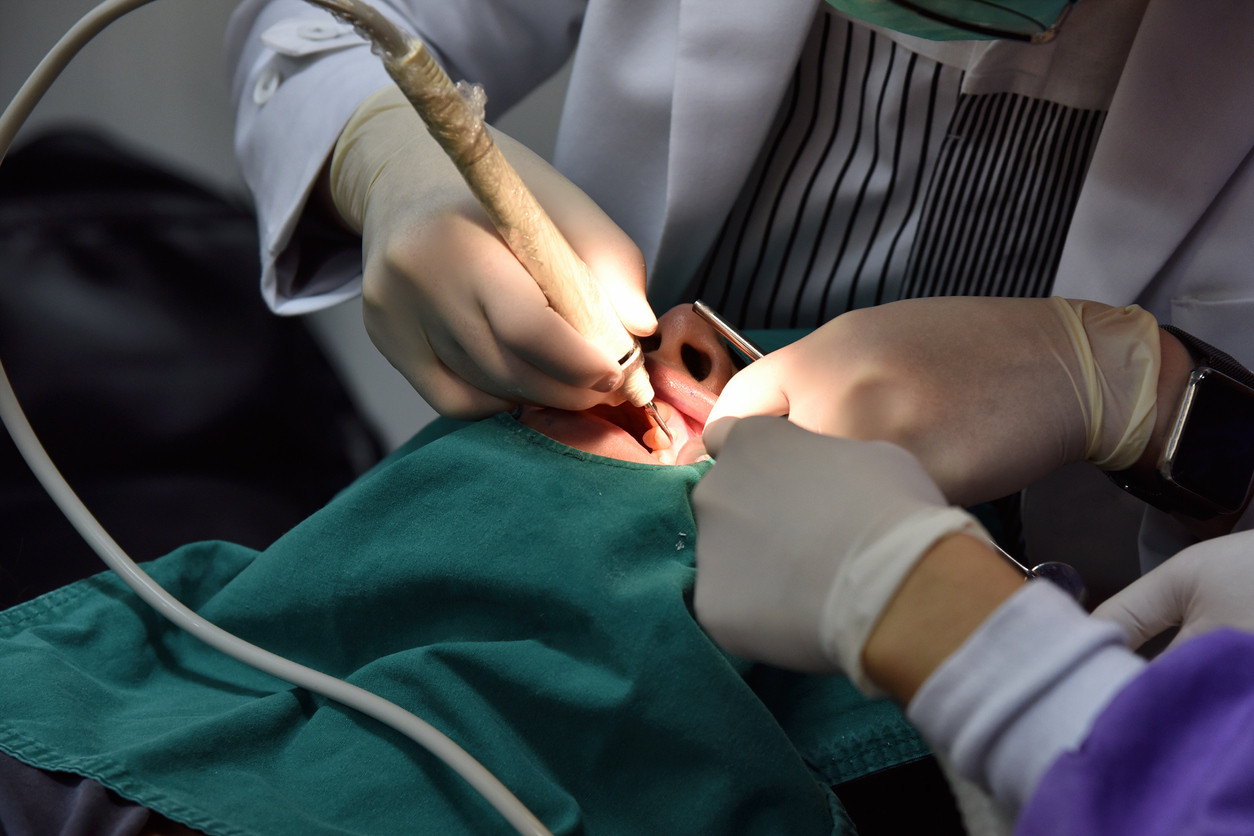
The last teeth to make an appearance are the wisdom teeth, often emerging during the late teenage years or early adulthood. For some people, they grow in smoothly and never cause any trouble. However, this isn’t always the case, as these teeth can sometimes grow at awkward angles or become trapped beneath the gums.
Despite this, many people still delay having their wisdom teeth removed. The discomfort often comes and goes, leading them to believe it’s nothing serious. Others hesitate due to fear, cost considerations, or the assumption that if there’s no pain, there’s no problem. Unfortunately, postponing removal can allow silent issues to progress unnoticed, eventually resulting in more complicated and painful dental problems.
Although wisdom teeth removal may not seem urgent, addressing the issue early can make a significant difference to your long-term oral health. Here are some reasons why:
1) Avoid Misalignment and Crowding
One of the most common reasons dentists advise wisdom teeth removal is to prevent future dental misalignment and crowding. Since most people’s jaws are not large enough to accommodate these extra molars, wisdom teeth may erupt at an angle or fail to emerge fully—a condition known as impaction.
When this happens, they can push against surrounding teeth, disrupting the natural alignment achieved through braces or orthodontic treatment. Having them extracted at the right time can help preserve the alignment of your smile and prevent discomfort when biting or chewing later on.
2) Protect Neighbouring Teeth from Damage
An impacted wisdom tooth can do more harm than people realise. As it pushes against the molar beside it, it can wear down enamel and create small gaps where food debris and bacteria accumulate. These hidden pockets are difficult to clean with regular brushing, increasing the likelihood of decay or infection between the two teeth. In some cases, the pressure can even weaken the roots of the adjacent molar, causing pain or sensitivity that affects daily activities, such as eating or speaking.
You’ll want to address these issues early to protect the surrounding teeth from irreversible damage. When wisdom teeth are removed before they begin to crowd or damage neighbouring teeth, it becomes easier to maintain a clean, healthy mouth and prevent the need for further restorative work such as fillings or crowns.
3) Reduce the Risk of Infection or Decay
Partially erupted wisdom teeth often leave a flap of gum tissue that can trap food particles, leading to bacterial growth. This creates an ideal environment for infections like pericoronitis, a painful condition that causes swelling and inflammation in the gums. If untreated, the infection can spread to nearby areas of the mouth, resulting in jaw stiffness, difficulty opening the mouth, or even fever.
Regular brushing and flossing may not be enough to keep these areas clean, which is why many dentists in Singapore advise removal once the risk of infection is detected. Early action helps prevent these recurring infections, preserves gum health, and eliminates the unpleasant odour or discomfort that often accompanies trapped bacteria.
4) Avoid Jaw and Nerve Complications
Wisdom teeth located near the lower jawbone can sometimes grow too close to important nerves. If they are left to develop in this position, they may cause persistent jaw pain or numbness in the chin, tongue, or lower lip. In rare cases, cysts or benign tumours may also form around impacted teeth, gradually damaging the bone and nearby nerves.
These complications tend to worsen the longer the teeth remain in place, and treatment becomes more complicated as a result. Early removal allows the dentist to extract the teeth safely before the roots become deeply embedded or entangled with nerve pathways. This helps ensure a quicker recovery and reduces the likelihood of long-term nerve irritation.
5) Easier Recovery When You’re Younger
Wisdom teeth removal is typically simpler and less uncomfortable when performed during the late teens or early twenties. At this stage, the roots are not yet fully developed, and the surrounding bone tissue is more flexible, allowing for easier extraction. Healing also tends to be faster and smoother, with fewer complications such as dry socket or prolonged swelling.
In contrast, adults who delay removal often experience a longer recovery period because the bone becomes denser with age, making surgery more complex. The gum tissue may also take more time to heal. That’s why it’s a good idea to schedule the procedure early, which will make for a less invasive process and reduce the overall impact on your daily routine.
6) Prevent Sinus Issues and Headaches
Few people realise that upper wisdom teeth can affect the sinuses located just above them. When these molars push upwards during growth, they may create pressure that leads to sinus discomfort, congestion, or recurring headaches. The proximity of the roots to the sinus cavity means that even minor misalignment can cause significant discomfort.
Removing these teeth before they interfere with the sinuses helps maintain clear airways and prevents chronic pressure or pain in the upper jaw area. Patients often find that addressing wisdom teeth early improves their overall comfort, especially when it comes to sleeping or maintaining focus throughout the day.
Wisdom teeth may seem harmless at first, yet they can silently cause damage or discomfort if ignored. Consulting a dentist or oral surgeon early gives you the chance to detect potential problems before they escalate. If you’re uncertain whether your wisdom teeth need removal, it’s best to schedule a consultation with a qualified dentist or oral surgeon who can evaluate your condition and recommend the right treatment. You can also find more information about dental services and clinics through Singapore’s Ministry of Health.