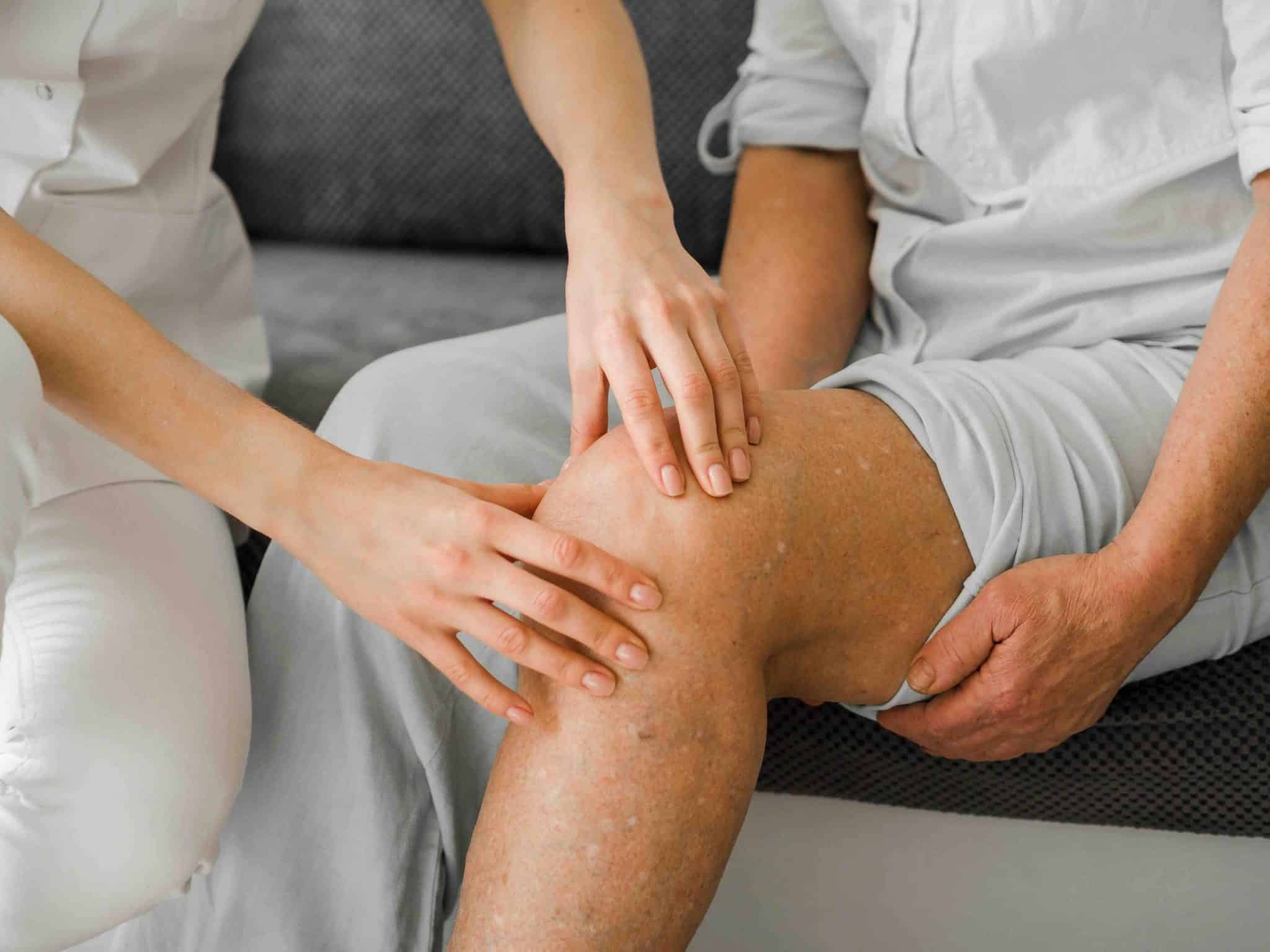
The knee is often described as a hinge joint, but its stability depends on a complex interaction between bones, cartilage, muscles, tendons, and ligaments. While many people associate knee injuries with the anterior cruciate ligament (ACL), maintaining joint stability involves several structures working together.
As people age, previous injuries, cartilage degeneration, and muscle weakness can affect knee function. Understanding how different stabilizing structures contribute to movement may help explain why some individuals continue to experience instability even after a ligament injury has healed.
Understanding Knee Stability
The knee remains stable because multiple ligaments prevent excessive movement in different directions. The ACL helps limit forward movement of the tibia relative to the femur, while the posterior cruciate ligament (PCL) helps prevent backward movement.
Equally important are the acl and pcl attachments, which anchor these ligaments to the femur and tibia. These attachment sites allow forces to be transferred effectively through the knee during walking, running, jumping, and changing direction.
Why the ACL and PCL Work Together
Although the ACL and PCL perform different functions, they operate as a coordinated system. During athletic movements, one ligament often assists the other in maintaining joint alignment and controlling rotational forces.
Damage involving the acl and pcl attachments may alter how force is distributed across the knee. This can affect stability even when the ligament itself remains partially intact, which is why attachment-site injuries are carefully evaluated during imaging and clinical assessment.
Common Injuries Affecting Knee Stability
ACL injuries frequently occur during sudden pivoting, cutting, or landing movements. Athletes may hear a “pop” followed by swelling and difficulty continuing activity. PCL injuries are more commonly associated with direct impact to the front of the shin, such as during contact sports or motor vehicle accidents.
In some cases, injuries involve the ligament’s attachment to bone rather than the ligament fibers themselves. These injuries may include avulsion fractures, where a fragment of bone is pulled away from the attachment site. Such injuries can affect both ACL and PCL function.
Screening, Prevention, and Early Detection
Early evaluation is important because untreated instability may contribute to additional cartilage damage, meniscal tears, and altered movement patterns. Clinical assessment often includes ligament testing, gait evaluation, and imaging studies such as X-rays or MRI.
Preventive strategies may include neuromuscular training, strengthening of the quadriceps and hamstrings, balance exercises, and sport-specific conditioning. Research suggests that structured injury-prevention programs may reduce ACL injury rates in certain athletic populations.
Daily Activities and Lifestyle Impact
Knee instability is not limited to sports participation. Some individuals experience symptoms while climbing stairs, walking on uneven surfaces, or changing direction during daily activities. Others report a sensation that the knee is “giving way.”
When instability persists, people may unconsciously alter their movement patterns. Over time, these compensations can place additional stress on surrounding muscles and joints, potentially contributing to discomfort elsewhere in the lower extremity.
Age-Related and Chronic Conditions
As individuals age, osteoarthritis becomes a more common contributor to knee symptoms. When cartilage loss is limited to a single compartment, reviewing a robotic partial knee replacement guide can help patients understand how targeted, minimally invasive surgery preserves healthy surrounding bone and ligaments.
Previous ACL or PCL injuries may also increase the risk of developing post-traumatic osteoarthritis years later. This is particularly relevant when cartilage damage or meniscal injury occurs alongside ligament trauma.
Over-the-Counter vs Prescription Treatments
For mild symptoms, over-the-counter options such as paracetamol or topical non-steroidal anti-inflammatory drugs (NSAIDs) may help reduce discomfort. Studies have shown that topical diclofenac can provide meaningful pain relief in many patients with musculoskeletal conditions.
Prescription treatments may include stronger anti-inflammatory medications or selected injections depending on the underlying diagnosis. While medication may improve symptoms, it does not restore mechanical stability when significant ligament injury or damage to acl and pcl attachments is present.
In-Clinic Procedures and Treatment Options
Evaluation by an orthopaedic specialist may include physical examination, X-rays, MRI, or other imaging studies. Treatment recommendations depend on the severity of instability, activity level, age, and associated injuries.
Non-surgical management may involve physiotherapy, bracing, and progressive strengthening programs. In selected cases, surgical reconstruction or repair may be considered, particularly when instability significantly affects function or athletic participation.
What Our Orthopaedic Specialists Say
In our clinic, we often explain that knee stability rarely depends on a single structure. The ACL, PCL, menisci, cartilage, muscles, and surrounding soft tissues all contribute to normal knee function.
We also emphasize that injuries involving acl and pcl attachments can be clinically significant, even when they receive less attention than complete ligament tears. Accurate diagnosis helps guide appropriate treatment and rehabilitation planning.
Putting This Into Practice
- Do not ignore recurrent episodes of knee instability.
- Seek assessment after significant twisting or impact injuries.
- Maintain quadriceps and hamstring strength through regular exercise.
- Incorporate balance and coordination training into workouts.
- Return to sports gradually after injury.
- Follow rehabilitation programs consistently.
When to Seek Professional Help
Consider medical evaluation if you experience:
- A popping sensation during injury
- Knee swelling after sports participation
- Recurrent episodes of the knee giving way
- Difficulty changing direction while walking or running
- Persistent pain or instability lasting several weeks
- Limited range of motion after injury
- Symptoms affecting daily activities
Commonly Asked Questions
What are ACL and PCL attachments?
ACL and PCL attachments are the areas where the cruciate ligaments connect to the femur and tibia. These attachment sites help transfer force and maintain knee stability.
Can attachment injuries occur without a complete ligament tear?
Yes. Some injuries involve the attachment site itself, including avulsion fractures, while portions of the ligament remain intact.
How are ACL and PCL attachment injuries diagnosed?
Diagnosis typically involves a physical examination combined with imaging studies such as X-rays and MRI to evaluate the ligament and surrounding bone.
Can physiotherapy help improve knee stability?
In many cases, physiotherapy can improve strength, balance, and movement control. The effectiveness depends on the severity of the injury and associated structural damage.
Does every ACL or PCL injury require surgery?
No. Treatment decisions depend on factors such as instability, activity level, age, associated injuries, and personal goals. Many patients are successfully managed with non-surgical approaches.
Next Steps
Knee stability depends on a network of structures rather than a single ligament. While ACL injuries often receive the most attention, the PCL, menisci, muscles, cartilage, and acl and pcl attachments all contribute to normal joint function.
If you experience persistent instability, recurrent swelling, or difficulty returning to activity, an evaluation by an orthopaedic specialist can help identify the underlying cause and determine the most appropriate management plan.