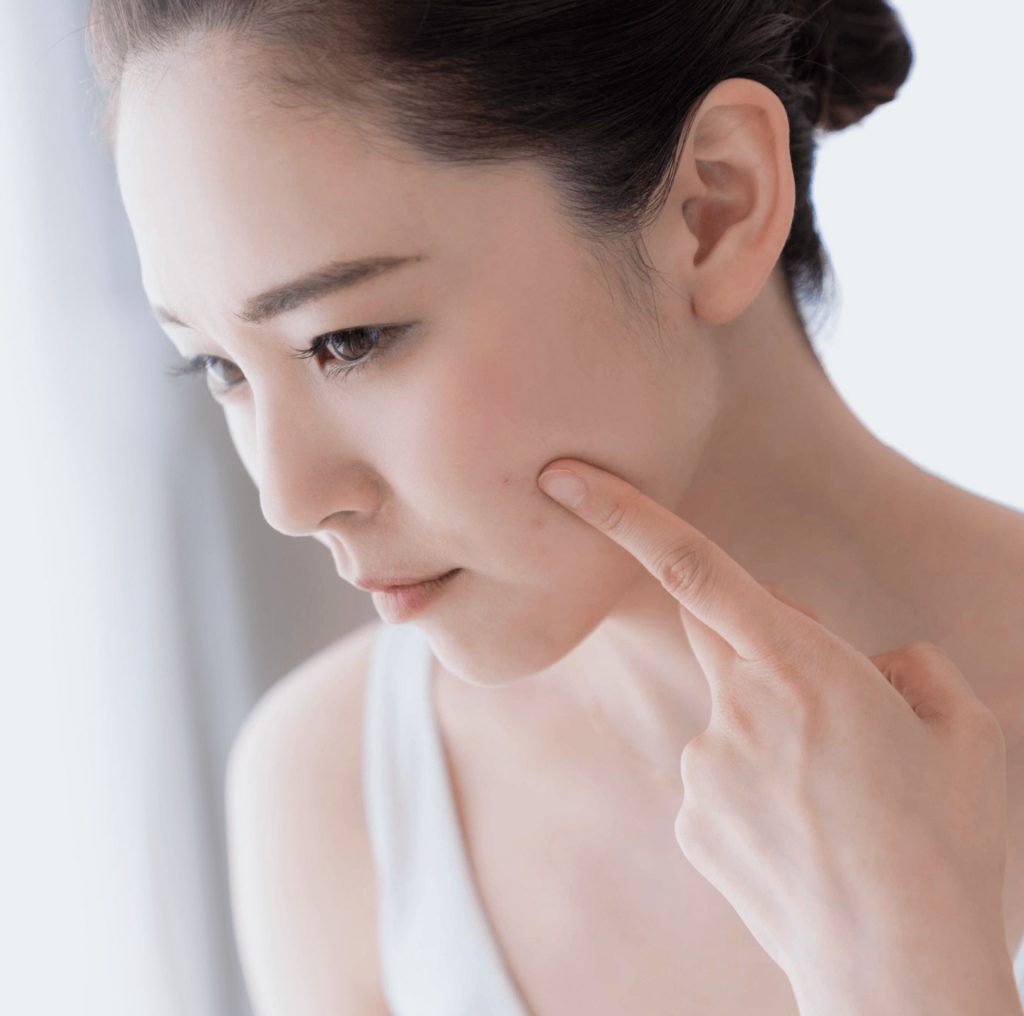
Did you know that melanocytes can produce up to 40 times more melanin when triggered by certain stimuli? Pigmentation occurs when melanocytes produce excess melanin in specific skin areas, creating patches darker than surrounding tissue. Melanocytes respond to various triggers including UV radiation, hormonal fluctuations, inflammation, and certain medications, leading to concentrated melanin deposits that appear as brown, grey, or black marks on the skin.
Different pigmentation types require distinct treatment approaches. A pigmentation treatment in Singapore often varies based on the underlying cause and skin type. Melasma presents as symmetrical brown patches on the cheeks, forehead, and upper lip, while age spots appear as isolated dark spots on sun-exposed areas. Post-inflammatory hyperpigmentation develops after acne, eczema, or injuries heal, leaving darkened marks that persist for months.
Types of Pigmentation Disorders
Melasma
Melasma forms irregular brown or grey-brown patches primarily on the face, affecting the cheeks, bridge of the nose, forehead, chin, and upper lip area. Hormonal changes during pregnancy or from oral contraceptives trigger melasma in many cases, while UV exposure worsens existing patches. The condition affects the epidermis, dermis, or both layers, with dermal melasma proving more challenging to treat due to deeper melanin deposits.
Treatment may involve combination therapy. Healthcare professionals can determine appropriate formulations and concentrations of ingredients such as hydroquinone, tretinoin, and corticosteroids. Chemical peels with glycolic acid or trichloroacetic acid may provide additional improvement when performed by qualified practitioners. Tranexamic acid, whether taken orally or applied topically, may be considered for resistant melasma. Dosage and frequency should be determined by a healthcare professional.
Solar Lentigines (Age Spots)
Solar lentigines develop from cumulative UV damage over decades, appearing as flat, brown spots ranging from 5mm to 15mm in diameter. These spots contain increased melanocyte activity and melanin accumulation in the basal layer of the epidermis. Common locations include the face, hands, shoulders, and décolletage – areas receiving frequent sun exposure throughout life.
Q-switched lasers target melanin, fragmenting pigment particles for natural removal by immune cells. Nd:YAG lasers or alexandrite lasers may be used to treat age spots, with the number of sessions determined by a qualified practitioner. Cryotherapy using liquid nitrogen destroys pigmented cells directly, though this requires precise application by a healthcare professional to avoid hypopigmentation.
Post-Inflammatory Hyperpigmentation
PIH develops when skin inflammation triggers excessive melanin production during the healing process. Acne lesions, particularly cystic acne, frequently leave dark marks lasting 3-24 months. Eczema flare-ups, allergic reactions, burns, and aggressive skin treatments also cause PIH, with darker skin types experiencing more pronounced and persistent discoloration.
Azelaic acid applied as directed by a healthcare professional inhibits tyrosinase enzyme activity and reduces melanin synthesis. Kojic acid combined with glycolic acid may enhance penetration and accelerate pigment reduction. Vitamin C serums containing L-ascorbic acid or sodium ascorbyl phosphate provide antioxidant protection while inhibiting melanin formation. Retinoids accelerate cell turnover, bringing pigmented cells to the surface for faster shedding. Appropriate concentrations and application frequency should be determined by a qualified healthcare professional.
Treatment Options
Laser Treatments
Picosecond lasers deliver short pulses lasting one trillionth of a second, creating photoacoustic effects that shatter pigment particles into small fragments. This technology treats pigmentation with minimal thermal damage, reducing downtime to 2-3 days. Picosecond laser devices offer multiple wavelengths (532nm, 785nm, 1064nm) to target different pigment depths and colors.
Fractional CO2 lasers create microscopic treatment zones, stimulating collagen remodeling while removing pigmented cells. Settings range from 10-40% coverage with 10-40mJ energy per microbeam, customized based on pigmentation depth and skin type. Recovery involves 5-7 days of redness and peeling, with complete healing within 10-14 days.
Low-level laser therapy at 630-700nm wavelengths modulates melanocyte activity without destroying tissue, suitable for melasma management. Treatment sessions last 15-20 minutes, performed twice weekly for 8-12 weeks initially, then monthly for maintenance.
Chemical Peels
Superficial peels using mandelic acid 30-40% or lactic acid 50-70% remove the stratum corneum and upper epidermis, improving mild pigmentation with minimal downtime. These alpha-hydroxy acids have larger molecular sizes, providing gentler exfoliation suitable for sensitive skin. Applications every 2-3 weeks for 4-6 sessions achieve gradual lightening.
Medium-depth peels combining Jessner’s solution (resorcinol, salicylic acid, lactic acid) with TCA 35% penetrate to the papillary dermis. This combination treats moderate pigmentation and textural irregularities simultaneously. Frosting levels guide penetration depth – Level I (light frosting) for superficial pigmentation, Level II (white frosting with pink undertones) for deeper lesions.
Topical Prescription Medications
Triple combination therapy (hydroquinone 4%, tretinoin 0.05%, fluocinolone acetonide 0.01%) is a standard treatment for melasma. Applied nightly for 8-12 weeks, this formulation inhibits melanin production, accelerates cell turnover, and reduces inflammation. Treatment cycles alternate with hydroquinone-free periods to prevent ochronosis.
Cysteamine cream 5% offers a hydroquinone alternative, working through multiple pathways to reduce pigmentation. Applied for 15 minutes daily then washed off, cysteamine shows comparable efficacy to hydroquinone without risk of rebound hyperpigmentation. Results become visible after 8-12 weeks of consistent use.
Medical-Grade Skincare Ingredients
Hydroquinone
Hydroquinone inhibits tyrosinase enzyme, blocking the conversion of tyrosine to melanin. Concentrations of 2% are available over-the-counter, while 4-8% formulations require prescription. The appropriate application frequency and duration should be determined by a healthcare professional. Visible lightening may begin after 4-6 weeks. Continuous use recommendations should be discussed with a qualified healthcare provider.
Combination with tretinoin may enhance hydroquinone penetration and prevent oxidation, maintaining product stability. Adding kojic acid or glycolic acid may potentiate the depigmenting effect through complementary mechanisms.
Retinoids
Tretinoin 0.025-0.1% accelerates epidermal turnover from 28 days to 14-21 days, expediting removal of pigmented keratinocytes. The appropriate application frequency and progression should be determined by a healthcare professional based on individual tolerance. Peeling and irritation during the first 4-6 weeks may indicate therapeutic response.
Adapalene 0.1-0.3% provides similar benefits with reduced irritation, making it suitable for sensitive skin types. Tazarotene 0.05-0.1% offers strong retinoid activity but requires careful titration to minimize side effects. All retinoids increase photosensitivity, necessitating strict sun protection during treatment.
Tranexamic Acid
Oral tranexamic acid blocks plasminogen activator, reducing melanocyte stimulation from UV exposure and hormonal triggers. The appropriate dosage and treatment duration should be determined by a healthcare professional. Improvement may be visible after 8-12 weeks. Regular liver function monitoring may be required for higher doses.
Topical formulations containing 2-5% tranexamic acid penetrate effectively when combined with penetration enhancers like niacinamide or licorice extract. Application frequency should be determined by a healthcare professional. This shows particular efficacy for melasma resistant to conventional treatments.
Treatment Combinations and Protocols
Sequential therapy may help reduce irritation. Morning applications can include:
– Antioxidants and sun protection
– Vitamin C serum followed by niacinamide 5%
– Broad-spectrum SPF 50
Evening routines may incorporate active depigmenting agents, starting with gentle cleansing, then applying treatments from thinnest to thickest consistency.
Combination protocols may integrate in-office procedures with home care. Laser treatments and chemical peels may be scheduled at intervals during treatment phases. Maintenance may involve periodic laser sessions with consistent topical therapy between treatments.
Pre-treatment preparation using tretinoin or hydroquinone may improve procedure outcomes and reduce post-inflammatory hyperpigmentation risk. This preparation period may help normalize melanocyte activity and enhance treatment penetration. A healthcare professional should determine the appropriate treatment protocol and timing.
Sun Protection Strategies
Broad-spectrum sunscreens containing zinc oxide 10-25% and titanium dioxide 5-10% provide physical UV blocking without chemical absorption. These mineral formulations suit sensitive skin while offering immediate protection upon application. Tinted versions containing iron oxides block visible light, which may be beneficial for melasma prevention.
Reapplication every 2 hours during outdoor exposure maintains protective efficacy. Water-resistant formulations lasting 80 minutes suit humid climates, though towel-drying necessitates immediate reapplication. Indoor workers near windows may benefit from daily SPF 30 minimum, as UVA penetrates glass.
Protective clothing with UPF 50+ rating blocks UV radiation. Wide-brimmed hats shade the face, neck, and ears – common sites for pigmentation development. Seeking shade between 10am-4pm when UV index exceeds 3 reduces cumulative sun damage.
Did You Know?
Blue light from digital screens can trigger melanocyte activity similar to UV exposure, making iron oxide-containing sunscreens potentially valuable for office workers and frequent device users.
What Our Dermatologist Says
Pigmentation treatment in Singapore requires customization based on skin type, lifestyle factors, and specific pigmentation patterns. Combination therapy may yield better results compared to single treatments, though patience remains important as visible improvement takes several weeks minimum.
Patients may benefit from starting with gentle treatments before progressing to more intensive options. This graduated approach allows skin adaptation while monitoring treatment response. Maintenance therapy prevents recurrence, particularly for hormonally-influenced pigmentation like melasma.
Putting This Into Practice
- Apply prescribed pigmentation treatments to clean, dry skin, waiting 20 minutes after washing to reduce irritation potential
- Layer skincare products from thinnest to thickest consistency, allowing each to absorb for 60 seconds before applying the next
- Document pigmentation changes with monthly photographs taken in consistent lighting to track treatment progress objectively
- Adjust treatment intensity based on skin response – reduce frequency if excessive peeling or irritation occurs
- Maintain treatment consistency even when improvement plateaus, as continued application prevents rebound hyperpigmentation
When to Seek Professional Help
– Pigmentation appearing suddenly or changing rapidly in size, color, or texture
– Dark patches with irregular borders or multiple colors within single lesions
– Pigmentation accompanied by itching, bleeding, or surface changes
– Melasma not responding to over-the-counter treatments after 3 months
– Post-inflammatory marks persisting beyond 12 months despite treatment
– Pigmentation affecting self-confidence or daily activities
Achieving Lasting Results in Pigmentation Treatment
Successful pigmentation treatment requires professional assessment to determine the most appropriate combination of procedures and home care products. Consistent application of prescribed treatments, strict sun protection, and realistic expectations about timeline remain essential for optimal results.
If you are experiencing persistent dark patches, irregular pigmentation, or pigmentation changes that affect your confidence, a dermatologist can provide comprehensive evaluation and personalized treatment options.
Commonly Asked Questions
How long before I see results from pigmentation treatment?
Initial improvement typically appears after 4-6 weeks of consistent treatment, with significant changes visible at 8-12 weeks. Deeper pigmentation like dermal melasma requires 3-6 months for noticeable lightening. Complete resolution varies based on pigmentation type, depth, and individual response rates.
Can pigmentation return after treatment?
Pigmentation frequently recurs without maintenance therapy and sun protection. Melasma shows particular tendency for recurrence with hormonal changes or sun exposure. Regular use of preventive treatments and strict photoprotection reduces recurrence risk substantially.
Which pigmentation types respond to laser treatment?
Solar lentigines and superficial pigmentation respond to laser therapy, often clearing in 1-3 sessions. Dermal melasma and post-inflammatory hyperpigmentation require multiple sessions with conservative settings to avoid worsening. Darker skin types need specialized laser protocols to prevent complications.
Are pigmentation treatments safe during pregnancy?
Most pigmentation treatments, including hydroquinone, retinoids, and certain lasers, require avoidance during pregnancy and breastfeeding. Azelaic acid, vitamin C, and mineral sunscreens remain safe options. Treatment typically resumes post-breastfeeding.