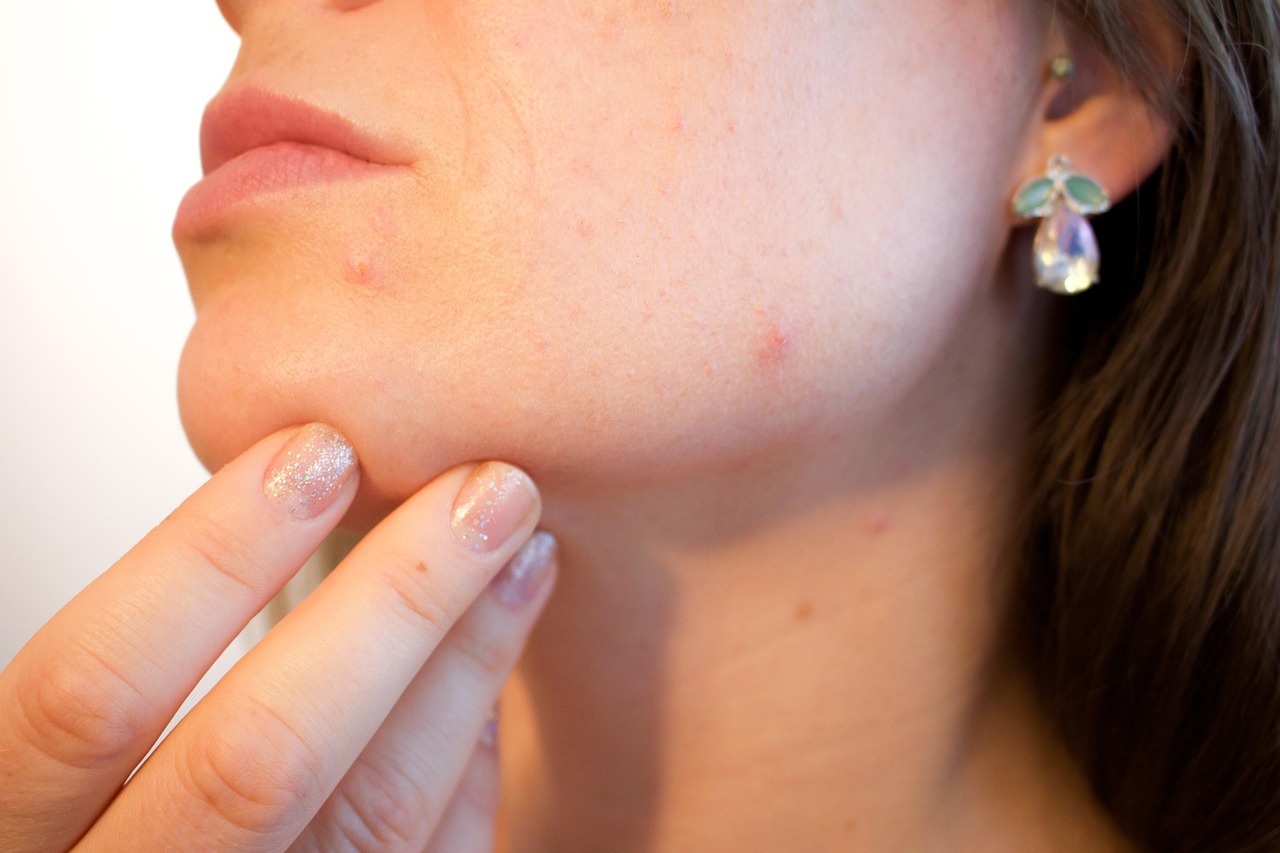
Did you know that the bacteria responsible for acne breakouts naturally live on everyone’s skin, but only cause problems when trapped in clogged pores? Acne develops when hair follicles become clogged with oil, dead skin cells, and bacteria. This process creates different types of lesions – from blackheads and whiteheads to inflammatory papules, pustules, and cystic nodules. The severity and type of acne you experience depends on multiple factors including genetics, hormones, lifestyle, and skincare habits.
The sebaceous glands in your skin produce sebum, a natural oil that protects and moisturizes. When these glands produce excess sebum, it mixes with dead skin cells and blocks pores. Cutibacterium acnes bacteria, which naturally live on the skin, multiply rapidly in these blocked pores, triggering inflammation and the formation of acne lesions. For those struggling with persistent breakouts, exploring the best acne treatment in Singapore can help restore clear, balanced skin through targeted solutions tailored to local conditions and skin types.
Hormonal Influences on Acne Development
Androgens, particularly testosterone and dihydrotestosterone (DHT), stimulate sebaceous glands to produce more oil. During puberty, menstruation, pregnancy, or when starting or stopping birth control, hormone fluctuations directly impact acne severity. Women often notice breakouts concentrated along the jawline and chin – areas particularly sensitive to hormonal changes.
Polycystic ovary syndrome (PCOS) causes elevated androgen levels, leading to persistent acne alongside other symptoms like irregular periods and excess hair growth. Stress hormones, particularly cortisol, increase oil production and inflammation, explaining why acne often worsens during stressful periods.
Adult hormonal acne differs from teenage acne in several ways. It typically appears as deep, painful cysts rather than surface-level whiteheads, takes longer to heal, and responds differently to treatments. Hormonal acne also follows cyclical patterns, with flare-ups occurring at predictable times each month.
Environmental and Lifestyle Triggers
High glycemic index foods cause rapid blood sugar spikes, triggering insulin release and IGF-1 production. These hormones stimulate oil production and skin cell turnover, creating conditions favorable for acne. Dairy products contain hormones and bioactive molecules that may influence sebum production and inflammation, though individual responses vary significantly.
Humid climates create challenges for acne-prone skin. Excessive sweating mixes with oil and dead skin cells, blocking pores more readily. Air conditioning transitions from hot outdoor temperatures to cold indoor environments cause skin to produce more oil as it attempts to maintain moisture balance.
Comedogenic ingredients in skincare and makeup products physically block pores. Common culprits include:
– Coconut oil
– Algae extract
– Sodium lauryl sulfate
– Certain silicones
Even products labeled “non-comedogenic” may trigger breakouts in sensitive individuals, as comedogenicity ratings don’t account for individual skin variations.
Sleep deprivation disrupts hormone regulation and impairs skin’s natural repair processes. During deep sleep, growth hormone peaks, facilitating cellular regeneration and collagen production. Insufficient sleep also increases inflammatory markers throughout the body, worsening existing acne.
Treatment Options
Chemical peels using salicylic acid, glycolic acid, or mandelic acid dissolve the bonds between dead skin cells, unclog pores, and reduce oil production. Salicylic acid penetrates oil-filled pores effectively, while glycolic acid improves overall skin texture and reduces post-inflammatory hyperpigmentation. Treatment frequency and acid concentration depend on skin sensitivity and acne severity.
Laser therapies target different aspects of acne pathophysiology. Blue light kills C. acnes bacteria through photodynamic reaction, while red light reduces inflammation and promotes healing. Fractional lasers create controlled micro-injuries that stimulate collagen production and improve acne scarring. Nd:YAG lasers penetrate deeper skin layers, reducing sebaceous gland activity.
Photodynamic therapy combines light-sensitive medications with specific light wavelengths. The treatment selectively destroys overactive sebaceous glands and reduces bacterial load without affecting surrounding tissue. Recovery involves temporary photosensitivity and mild peeling.
Facials incorporate extraction techniques, high-frequency treatments, and specialized serums. Hydrafacials use vortex suction to extract impurities while simultaneously delivering customized serums. Carbon laser facials apply liquid carbon to penetrate pores before laser activation removes the carbon along with dead skin cells and oil.
Did You Know?
The skin’s pH naturally sits around 5.5, slightly acidic to prevent bacterial overgrowth. Many acne treatments work by maintaining or restoring this acidic environment, creating conditions unfavorable for C. acnes bacteria proliferation.
Prescription Medications and Their Mechanisms
Topical retinoids like tretinoin, adapalene, and tazarotene normalize skin cell turnover, preventing pore blockages before they form. These vitamin A derivatives also possess anti-inflammatory properties and improve existing acne scarring through increased collagen production. Initial irritation and purging may occur during the early weeks of use.
Oral isotretinoin reduces sebum production by shrinking sebaceous glands. The medication also normalizes skin cell shedding within follicles and reduces C. acnes colonization. Treatment duration and dosing should be determined by a healthcare professional based on individual factors. Regular blood monitoring helps ensure liver function and lipid levels remain within normal ranges.
Hormonal therapies address underlying endocrine imbalances. Combined oral contraceptives containing estrogen and progestin reduce androgen levels and subsequent oil production. Spironolactone, an androgen receptor blocker, prevents testosterone from stimulating sebaceous glands. These treatments require several months to show effects.
Antibiotics work through antimicrobial and anti-inflammatory mechanisms. Oral doxycycline and minocycline reduce bacterial load while suppressing inflammatory cytokines. Topical clindamycin and erythromycin target surface bacteria. Long-term antibiotic use risks developing bacterial resistance, making combination therapy with benzoyl peroxide important for maintaining effectiveness.
Building an Effective Skincare Routine
Morning routines should focus on protection and light treatment. A gentle pH-balanced cleanser removes overnight oil accumulation without stripping skin. Water-based serums containing niacinamide regulate oil production and strengthen the skin barrier. Lightweight, non-comedogenic moisturizers prevent transepidermal water loss. Broad-spectrum SPF 30 or higher protects against UV-induced inflammation and prevents post-inflammatory hyperpigmentation from darkening.
Evening routines allow for stronger active ingredients. Double cleansing removes sunscreen, makeup, and accumulated pollutants – first with an oil-based cleanser to dissolve oil-soluble impurities, then with a water-based cleanser for remaining debris. Treatment products apply in order of thinnest to thickest consistency, allowing proper absorption.
Exfoliation frequency depends on skin tolerance and acne severity. Beta hydroxy acids (BHAs) like salicylic acid penetrate oil-filled pores, while alpha hydroxy acids (AHAs) like glycolic acid address surface texture and pigmentation. Over-exfoliation damages the skin barrier, potentially worsening acne through increased irritation and oil production.
Important Note
Mixing certain active ingredients can cause severe irritation or deactivate their benefits. Avoid combining retinoids with benzoyl peroxide, vitamin C with retinol, or multiple exfoliating acids in the same routine.
Managing Acne Scarring
Atrophic scars form when insufficient collagen production during healing creates depressions in skin. Ice pick scars appear as narrow, deep indentations. Boxcar scars have defined edges and broader depressions. Rolling scars create an uneven, wavy texture. Each type responds differently to treatment modalities.
Fractional CO2 lasers create controlled thermal zones that stimulate collagen remodeling. The treatment addresses moderate to severe scarring but requires several days of downtime with temporary redness and peeling. Picosecond lasers deliver short pulses that break up scar tissue with minimal thermal damage to surrounding skin.
Microneedling creates controlled micro-injuries that trigger wound healing cascades. Radiofrequency microneedling adds heat energy to enhance collagen stimulation. Platelet-rich plasma (PRP) application during microneedling introduces growth factors that accelerate healing and improve results.
Chemical reconstruction of skin scars (CROSS) technique applies high-concentration trichloroacetic acid precisely to scar bases, stimulating collagen production from within. Subcision releases fibrous bands tethering scars to deeper tissue, allowing skin to elevate naturally.
What Our Aesthetic Doctor Says
Effective acne treatment plans address multiple causative factors simultaneously. While aggressive treatments might seem appealing for faster results, gradual improvement with combination therapy often yields more sustainable outcomes with fewer side effects.
A compromised skin barrier perpetuates the inflammation-acne cycle. Incorporating ceramides, peptides, and hyaluronic acid alongside acne treatments maintains skin health during the healing process.
Treatment resistance often stems from incomplete understanding of individual acne triggers rather than treatment failure. Keeping a detailed skin diary noting breakout patterns, product use, diet, and lifestyle factors helps identify personal triggers that standard treatments might not address.
Putting This Into Practice
- Map your breakout patterns by photographing your skin weekly in consistent lighting, noting which areas consistently develop acne to identify whether hormonal, mechanical, or product-related factors predominate
- Introduce new products individually with two-week intervals between additions, allowing sufficient time to identify reactions or improvements before adding another variable
- Patch test active ingredients behind your ear or along your jawline for three consecutive nights before applying to your entire face, monitoring for irritation, breakouts, or allergic reactions
- Time your treatments for evenings when skin naturally repairs itself, using gentler protective products during daytime when skin faces environmental stressors
- Document your routine including specific product names, application order, and skin responses to create a personalized database of what works for your skin
When to Seek Professional Help
– Cystic acne that feels painful or warm to touch
– Acne not responding to over-the-counter treatments after consistent use for 8-12 weeks
– Dark spots or indentations remaining after acne heals
– Breakouts accompanied by excessive hair growth or irregular periods
– Sudden adult-onset acne without previous history
– Acne affecting self-esteem or daily activities
– Scarring beginning to develop
– Severe purging lasting beyond initial treatment period
Commonly Asked Questions
How long before I see results from acne treatment?
Most topical treatments require 6-12 weeks of consistent use before showing significant improvement. Procedures like chemical peels may show results within 1-2 weeks, while laser treatments often need multiple sessions spaced 4-6 weeks apart. Oral medications like isotretinoin typically show initial improvement at 4-6 weeks, with results at 4-6 months.
Can I use makeup while treating active acne?
Non-comedogenic, mineral-based makeup can safely cover acne during treatment. Look for products containing zinc oxide or titanium dioxide, which provide coverage while offering anti-inflammatory benefits. Remove makeup thoroughly each evening using double cleansing to prevent pore blockage. Allow topical treatments to fully absorb before applying makeup.
Why does my skin get worse before getting better with certain treatments?
Purging occurs when treatments accelerate skin cell turnover, bringing existing microcomedones to the surface faster than usual. This temporary worsening typically peaks at 4-6 weeks before improvement becomes visible. Purging differs from irritation or allergic reactions, which cause new breakouts in previously clear areas.
Should I avoid moisturizer if I have oily, acne-prone skin?
Skipping moisturizer can trigger increased oil production as skin attempts to compensate for dryness. Choose lightweight, gel-based moisturizers containing hyaluronic acid or glycerin that hydrate without adding oil. Proper hydration maintains barrier function and improves tolerance to acne treatments.
Next Steps
Successful acne management requires identifying your specific triggers and implementing targeted treatments. Key actionable steps include documenting breakout patterns, introducing treatments gradually, and maintaining consistent skincare routines. Professional evaluation becomes essential when dealing with persistent acne, scarring, or hormone-related breakouts that don’t respond to standard approaches.
If you are experiencing painful cystic acne, persistent breakouts after 8-12 weeks of treatment, or acne scarring, consult with a dermatologist for personalized treatment protocols.