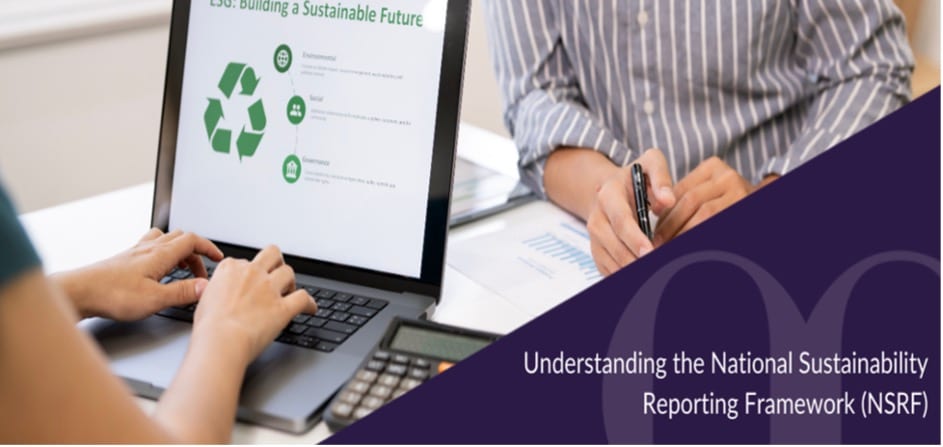
On 24 September 2024, Malaysia introduced the National Sustainability Reporting Framework (NSRF), marking a major step toward improving transparency in corporate sustainability practices. This framework is designed to help organisations disclose their environmental, social, and governance (ESG) performance in a structured, consistent, and globally aligned manner.
The NSRF reflects increasing pressure from regulators, investors, and stakeholders who expect companies to be more accountable for their impact on society and the environment. It is aligned with international standards developed by the International Sustainability Standards Board, particularly IFRS S1 for general sustainability disclosures and IFRS S2 for climate-related reporting.
This article explains the NSRF, its importance for businesses in Malaysia, and how companies can begin aligning with its requirements.
What is the NSRF?
The National Sustainability Reporting Framework provides a structured system for companies to report ESG-related risks, opportunities, and overall performance. Its goal is to ensure that sustainability disclosures are clear, comparable, and reliable.
By aligning with globally recognised frameworks, the NSRF allows Malaysian businesses to meet both domestic regulatory requirements and international investor expectations. This makes it easier for companies to participate in global markets where ESG transparency is increasingly becoming a key requirement.
Role of NSRF in Malaysia’s ESG Ecosystem
The NSRF plays a central role in strengthening Malaysia’s ESG landscape. It works alongside initiatives led by Bursa Malaysia and integrates global frameworks such as the UN Sustainable Development Goals (SDGs), Global Reporting Initiative (GRI), and TCFD recommendations.
To support efficient reporting, Bursa Malaysia has introduced the Centralised Sustainability Intelligence (CSI) platform. This digital system enables companies to submit ESG data in a standardised format, improving consistency and transparency across industries.

Who Must Comply?
The NSRF applies to a broad range of organisations, including listed companies and large private entities. While some businesses may initially adopt the framework voluntarily, compliance will gradually become mandatory.
Phased Implementation Timeline:
- 2025: Large Main Market companies (market cap RM2 billion and above)
- 2026: All Main Market listed companies
- 2027: ACE Market companies and large non-listed firms
This phased rollout allows businesses time to build systems, train staff, and integrate ESG reporting into their operations.
Why the NSRF is Important
1. Promoting Sustainable Business Practices
The framework encourages companies to incorporate sustainability into their strategies. By tracking factors such as emissions, resource usage, and workforce conditions, businesses can identify risks and improve efficiency.
2. Building Trust with Stakeholders
Transparent ESG reporting strengthens credibility among investors, regulators, and customers. Companies that disclose sustainability data clearly are more likely to gain long-term trust and attract responsible investment.
3. Enhancing Global Competitiveness
Alignment with international standards such as IFRS S1 and IFRS S2 ensures Malaysian companies remain competitive in global markets. ESG reporting is now a key factor in partnerships, investments, and procurement decisions.
4. Supporting National Climate Goals
Malaysia aims to achieve net-zero emissions by 2050. The NSRF contributes by encouraging companies to measure and disclose climate-related data, improving national-level environmental reporting.
Key Requirements of the NSRF
ESG Reporting Areas
Companies are required to report across three main pillars:
- Environmental: Carbon emissions, energy use, waste, water management
- Social: Employee welfare, diversity, labour practices
- Governance: Board structure, ethics policies, anti-corruption measures
These categories provide a comprehensive view of a company’s sustainability performance.
Reporting Standards
The NSRF aligns closely with international frameworks such as GRI, SASB, and ISSB standards. IFRS S1 focuses on overall sustainability disclosures, while IFRS S2 addresses climate-related risks and opportunities.
Companies are expected to follow these standards when preparing their sustainability reports.
Data Collection and Accuracy
Reliable data is the foundation of effective ESG reporting. Organisations must gather both quantitative and qualitative information from different departments, including HR, operations, and finance.
Consistency and transparency are essential to avoid issues such as greenwashing or misleading disclosures.
CSI Platform
The Centralised Sustainability Intelligence (CSI) platform is the official reporting system. It enables companies to submit ESG data, analyse performance, and benchmark against industry peers.
Use of this platform is mandatory for organisations covered under the NSRF.
Reporting Frequency
Companies are required to submit sustainability reports annually, usually aligned with their financial reporting cycle. Missing deadlines or failing to comply may result in regulatory consequences.
How to Get Started with NSRF Reporting
1. Understand the Framework
Begin by reviewing NSRF guidelines, templates, and timelines. Identify key ESG areas relevant to your business and align them with IFRS standards.
2. Build Internal Expertise
Create a dedicated ESG team or assign responsibilities to trained staff. Conduct internal training sessions to ensure everyone understands reporting requirements.
3. Use Digital Tools
Technology can simplify ESG reporting. Many organisations use specialised software to collect data, generate reports, and ensure compliance with ISSB standards.
4. Engage Stakeholders
Communicate sustainability goals with employees, investors, and regulators. External consultants can also help improve reporting quality and ensure compliance.
5. Submit and Improve
Once the report is complete, submit it through the CSI platform. Use feedback and BoardRoom Malaysia benchmarking insights to improve future reporting cycles.
Contact BoardRoom for more information:

Chong Kok Wai
Regional Director of Sustainability
E: info.my@boardroomlimited.com


