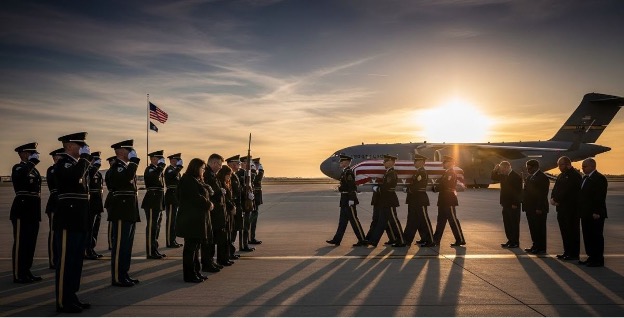
The death of a loved one in a foreign country is one of the worst emotional experiences a family can ever go through. At such times, taking them home is a last show of love and respect. A Repatriation Service assists the family to cope with this stressful process through the paperwork, coordination, and transportation. This assistance makes this as smooth and prestigious as possible.
The significance of Repatriation to the Family
Repatriation is preferred by many families since they desire their loved one to sleep in his or her native country among the familiar traditions and cultural rituals. It gets stressful when it comes to dealing with foreign processes in the light of grief. Since all the procedures are done in the right way, a professional team that provides Repatriation Service provides the families with time to cope with their feelings, knowing that their loved one will be transported home in a dignified manner.
First Stages of the Repatriation Process
The effort of repatriation commences with attaining an official death certificate of the country in which the death has taken place. The document is critical for acquiring additional permissions. The funeral directors then liaise with the embassies, local government, hospitals, and transport agencies. All the steps must be correct since a minute error made in the documentation can postpone the release or transfer of the dead body. Effective communication and professional management are very important during the process.
Dealing with Documentation and Legal Requirements
All countries have their policies concerning the transportation of human remains. Families are required to give identity checks, medical checks, and, in some cases, embalming papers. To allow the deceased to travel abroad, embassies issue no-objection letters or transit permits to sanction the release. Experts involved in international processes make sure that all tasks are fulfilled in compliance with the legislative requirements to avoid any issues at the ports or frontiers.
Getting the Dead Ready to Travel
The deceased is well packed to be transported internationally within the requirements of the airline, as well as the health requirements. The majority of the flights will necessitate the body to be embalmed and put in a hermetically sealed casket that is approved and then cordoned in an outer container to preserve it. Such arrangements guarantee safety, hygiene, and respect in the trip. The destination funeral home receives information in advance in order to hand it over smoothly.
Coordination with the Airline and Transport Services
Transporting human remains involves strict guidelines of the airlines, and only certain flights can carry such cargo. The providers of funeral services organize correct flights, taking good time and paperwork. The body is delivered as priority cargo and with utmost care. On arrival, the airport officials use the receiving funeral home to ensure that the family conducts its ceremonies or rituals in time.
Functions of the Embassies and Consulates
Embassies also help families establish their nationality, issue documents, and direct them in foreign laws. They tend to be compared to middlemen between funeral service providers and local governments. Their presence gives the families an assurance of legal adherence and also serves the purpose of providing solace to the families going through a sensitive phase. The consular officers are also useful to authenticate identity and facilitate essential permits in case of need.
Repatriation Costs: What It Means
Repatriation costs are all over because of distance, airline policies, preparation, and administrative fees. Other families ease the financial burden by using travel insurance, which can pay a portion of the total cost of repatriation. Clear providers provide breakdowns to such an extent that families know what each step entails. Repatriation is expensive, but it brings a form of closure to the families since they can practice rituals in their country of origin.
Cultural and Religious Take into Account
The rituals that surround death are significant, and through repatriation, families can stick to the traditions without any misunderstanding. Another way the family could accomplish this is by taking the dead body back home so that their traditions can be observed according to the required protocols on the burial and cremation, or even some special prayers. The providers are also attentive to the cultural requirements, and no action would interfere with the beliefs and emotional status of the family.
The selection of a Trusted Repatriation Provider
The families are to find a provider having international experience, high communicative abilities, and clear prices. A reliable team is compassionate, efficient in paperwork, speaks clearly, and treats the deceased with dignity throughout the process. Families can also attend to remembrance and not issue-prone logistics with a reliable provider.
FAQs
What does repatriation mean in funeral services?
Repatriation is the process of moving a deceased individual out of a death country to a home country by adhering to the legal, medical, and transportation regulations.
What is the time taken to repatriate?
The time taken is based on documentation, embassy approvals, and flight availability. It may take from five days to two weeks in the majority of cases.
Do we have to embalm in case of international repatriation?
Embalming is needed by many airlines and countries so as to maintain preservation during travel. The requirements are dependent on the destination country and the regulations of airlines.
Is there a repatriation cost under the travel insurance?
There are travel insurance policies that include the cost of repatriation. Families are to check their policy details or address the insurance company.
Are the deceased allowed to travel on the same flight as the family members?
Yes, it is possible that families can be on the same flight; however, the rules are different. The dead are loaded like cargo with family members as normal passengers.
Conclusion
The process of bringing a beloved back home is a very emotional one, and professional guidance is relaxing, dignified, and reassuring. Through the knowledgeable coordination, documenting, and dignified treatment, families are capable of taking their loved ones home with dignity. Through making the appropriate choice of support, the process turns out to be a beautiful last resort of love, and the families can get closure and undertake the cultural or religious practices peacefully.