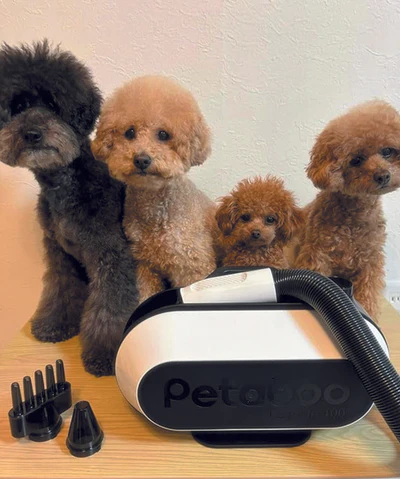
Bringing a dog into your life means unconditional love, wagging tails, and joyful chaos. But it also comes with fur, mess, and a surprising amount of moisture. While most dog owners are diligent about feeding schedules, vaccinations, and daily walks, there’s one area of pet care that often gets overlooked—how we handle drying after baths or rainy-day walks.
Maintaining your dog’s cleanliness isn’t just about keeping them fluffy and fresh-smelling; it plays a significant role in their overall health and your home’s hygiene. Let’s explore how proper drying routines—often with tools like a Petaboo ペット ドライヤー can be a game changer in your everyday dog care routine.
Why Drying Matters More Than You Think
Every dog owner knows that “wet dog smell” is real. But beyond the odor, moisture trapped in a dog’s fur can create a breeding ground for bacteria, yeast, and skin irritation. This is especially true for dogs with dense undercoats or long, wavy hair.
When a dog stays damp for too long, it can lead to:
- Hot spots or skin infections
- Fungal growth in areas like armpits, behind ears, or paws
- Excessive shedding due to irritated skin
Many pet owners don’t realize that towel drying alone usually isn’t enough. Towels can only absorb surface moisture, often leaving the undercoat wet. This is where a dedicated pet drying routine becomes essential—not just for appearances, but for your dog’s comfort and well-being.
Wet Dog, Messy Home
If you’ve ever skipped the drying step after a walk in the rain, you know how quickly the mess can escalate. Muddy paws lead to stained carpets. Damp fur brushes against furniture. And of course, the legendary full-body shake sends droplets in every direction.
Dogs don’t understand the consequences of their soggy adventures—but as their human, you do. A well-dried dog means less mess in the house, reduced laundry loads, and fewer odors lingering in your space.
Using a dryer also cuts down the time your dog spends air-drying, which often includes shivering, pacing, or trying to dry themselves off by rubbing against your sofa.
Bath Time Without the Stress
Let’s face it: for many dogs, bath time is not their favorite. And often, it’s not just the water—they dislike the after part even more. Being wrapped in towels or chased around with a noisy hair dryer can cause anxiety.
A better approach is to make the drying process feel like part of the pampering. A dryer designed specifically for dogs—gentler, quieter, and more efficient—can transform the experience. Tools like the Petaboo pet dryer offer a safe and calm way to remove moisture without spooking your pup. They can also make bath day feel less like a chore and more like a spa visit, for both of you.
Grooming Is About More Than Looks
Proper drying is an essential step in any grooming routine, not just an optional extra. Drying helps you:
- Spot skin issues early, such as redness, bumps, or cuts
- Reduce tangles and matting, especially in breeds with long hair
- Keep your dog’s coat shiny and healthy-looking
Regular grooming also helps strengthen your bond with your pet. It’s a time when your dog gets your full attention and learns to feel comfortable being handled. That’s important for vet visits, nail trims, and socializing in general.
If you skip the drying process or rush through it, you might be missing key moments to check on your dog’s health.
Choosing the Right Drying Method
The best drying method depends on your dog’s coat type and personality. Some dogs love the attention and warmth; others are more skittish. But whatever the case, using a dryer that’s made with dogs in mind is always better than repurposing your own hair dryer.
Human hair dryers often get too hot and loud, which can scare dogs and potentially harm their skin. Pet-specific dryers—like the Petaboo 犬 ドライヤー offer lower heat, adjustable airflow, and quieter motors. They’re made to match your dog’s comfort level and ensure safe drying.
If your dog is still nervous, introduce the dryer slowly. Let them sniff it, hear it from a distance, and gradually get used to the airflow. With patience, most dogs grow to tolerate—or even enjoy—the experience.
Creating a Drying Routine That Works
To make drying a regular and stress-free part of your dog’s care, build it into your routine. After walks on rainy days, do a quick towel wipe followed by a low-setting dry. After baths, make drying part of the “cool-down” period where your dog gets praise and maybe even a treat.
Drying shouldn’t feel like a rushed chore—it’s a chance to connect with your dog, monitor their health, and keep your home cleaner. Even five to ten minutes of drying can make a big difference, especially if you’re using the right tools and approach.
Final Thoughts: Dry Dogs, Happy Homes
Dog ownership is filled with joyful moments—but it also comes with practical challenges. One of the most underestimated aspects is how you dry your dog after they get wet. From improving skin health to reducing household mess, a good drying habit is more than just a convenience—it’s a necessity.
Investing a little extra time in drying, with the right equipment and mindset, leads to a healthier dog and a more peaceful home. Whether it’s after bath time, a lake swim, or a sudden downpour, make drying a natural, gentle, and consistent part of your care routine.
Your dog—and your furniture—will thank you.