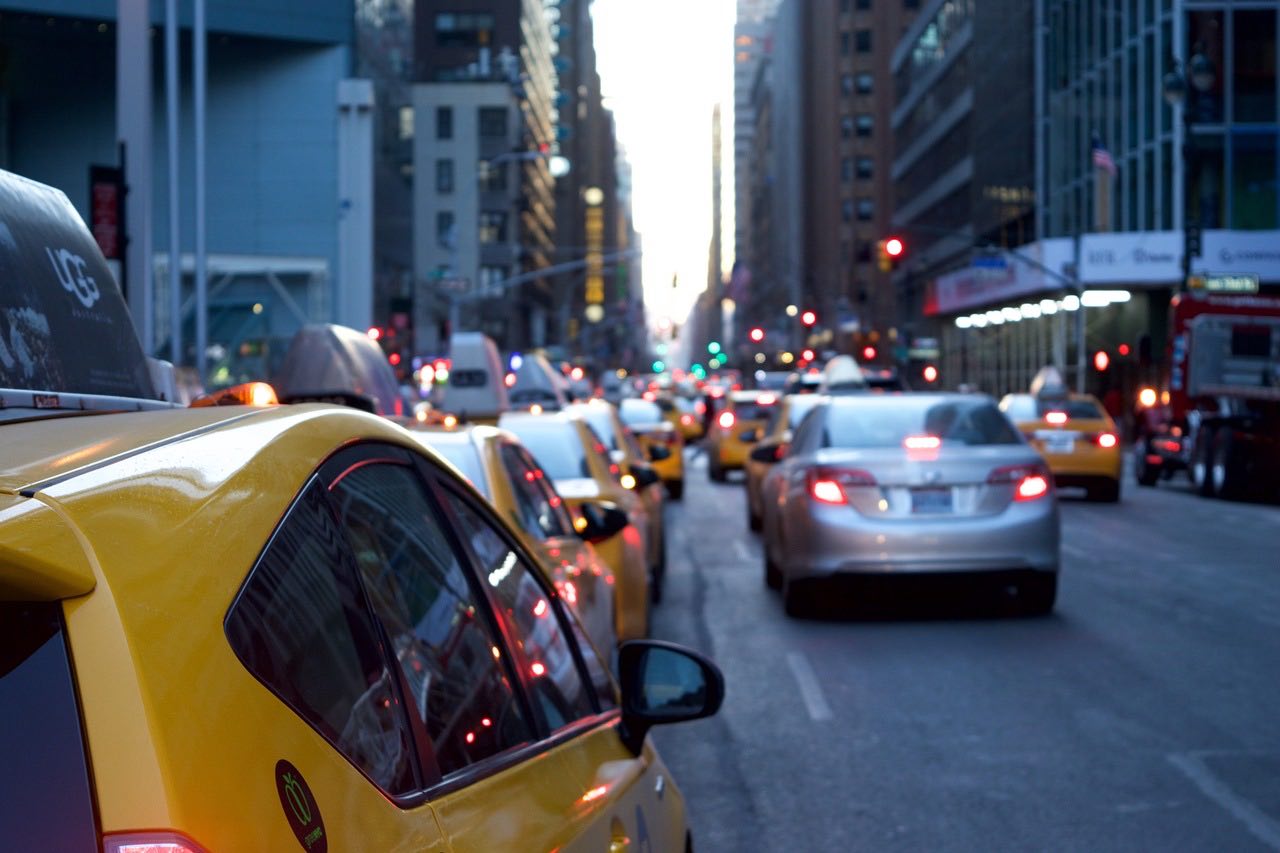
Cities around the world are becoming more connected, data-driven, and digitally managed in their effort to be “smart”, a label that reflects the integration of technology into everything from utilities and infrastructure to public services and mobility. Yet even in the most forward-looking urban environments, traffic congestion remains a persistent issue. As populations grow and road networks become more complex, traffic delays are no longer just a source of commuter frustration. They affect business efficiency, emergency response times, air quality, and even the liveability of entire districts.
To address this, many smart cities have begun deploying intelligent traffic systems that can respond in real time to changing road conditions. These systems use a combination of sensors, cameras, vehicle data, and artificial intelligence to detect patterns, forecast flow, and make automated adjustments to signal timings and traffic controls. In more advanced implementations, they are capable of prioritising certain vehicles, detecting incidents the moment they occur, and disseminating real-time advisories to the public. What sets intelligent traffic congestion solutions apart is their ability to evolve with the city—they improve with each data point rather than operating on static assumptions.
Let’s take a closer look at the real-world challenges that these systems are designed to address.
Traffic Inefficiencies from Static Signal Timing
Rush hour may follow a predictable schedule, but the way traffic builds up from one day to the next rarely does. A slight change in school holidays, roadworks, weather, or even a nearby event can lead to wildly different patterns of congestion. Traditional signal timing plans, which follow pre-set cycles based on historical averages, often struggle to keep pace with these fluctuations. Under such conditions, it’s common to see long queues on one arm of an intersection while other lanes sit empty.
Intelligent traffic systems use real-time data to assess vehicle density, queue length, and directional flow at any given moment. AI-driven junction control dynamically adjusts signal phases to clear the most congested approaches first, which helps to smooth out bottlenecks before they spill over into adjacent roads. Some systems even coordinate timing across multiple intersections to open up for green-wave corridors during peak periods. For cities with limited space to expand road infrastructure, this adaptive capability is critical for getting more out of what’s already built.
Emergency Vehicle Delays
In densely built-up areas, even a minute of delay can affect how quickly emergency responders reach their destination. Yet without a clear path, ambulances and fire trucks often find themselves stuck behind regular traffic, especially at signalised junctions where their urgency cannot be automatically recognised. Manual intervention is sometimes possible, but it isn’t always fast or consistent enough during peak demand or complex incidents.
Vehicle-to-infrastructure communication systems are changing that. These allow emergency vehicles to communicate directly with traffic signals in advance and request green-light priority at upcoming junctions. Some setups activate priority within a fixed radius, say 200 metres, giving other road users time to react and clear the way. This reduces the risk of unpredictable driving behaviour and enables a smoother, more reliable response. As seen in Singapore’s ongoing rollout of V2X traffic priority systems, the goal is not just speed but also safety and consistency, so critical services can move efficiently even in high-traffic conditions.
Manual Traffic Management during Peak Hours and Incidents
When traffic incidents or sudden surges in volume occur, human operators often bear the burden of manually adjusting traffic signals, responding to live calls, and coordinating with emergency services or enforcement. The situation can become particularly overwhelming during peak hours or when multiple incidents unfold simultaneously. Delays in response only escalate congestion and can create cascading disruptions across an entire network of intersections and roads.
With an intelligent traffic system, it becomes possible to automate many of the decision-making processes that would normally require human intervention. The systems continuously monitor traffic patterns and detect incidents as soon as they happen. From there, they can trigger responses such as diverting traffic, updating traffic signal timings, or notifying operators of the need for a response. More advanced systems integrate communication with nearby vehicles and infrastructure to ensure that the right measures are deployed swiftly. With these automated capabilities, operators are free to focus on more complex tasks, while the system handles routine adjustments in real time.
Disconnected Systems and Data Silos
In many cities, the systems designed to manage traffic, transport, and public services are often siloed, functioning independently with limited ability to share information between them. Systemic fragmentation makes it difficult for traffic authorities and urban planners to gain a comprehensive understanding of the overall situation, leading to slower reactions and missed opportunities for optimisation. For instance, data from traffic lights may not be linked to public transportation systems, and this prevents a holistic view of how road use impacts bus schedules or congestion at transport hubs.
A smart traffic management system gives organisations an easy way to centralise data from multiple sources. With integrated platforms, cities can combine information from traffic cameras, sensors, weather reports, GPS tracking of vehicles, and even social media feeds to create a unified dashboard. Decision-makers gain a clearer view of the entire traffic ecosystem and can then make more informed choices quickly. When cities elect to break down silos and use data from diverse systems, they can both enhance efficiency in the present and plan more effectively for the future.
Poor Public Communication during Disruptions
Drivers and commuters are often left in the dark when traffic disruptions occur, whether due to accidents, roadworks, or unplanned events. Poor communication can exacerbate congestion as people make ill-informed decisions or follow inefficient routes. In many cases, drivers are unaware of better alternative routes, and by the time they reach a bottleneck, it’s too late to turn back.
Intelligent traffic solutions improve communication with the public through real-time updates, accessible through various channels like variable message signs, mobile apps, and even in-car navigation systems. These systems don’t just inform commuters of disruptions; they offer actionable alternatives by guiding them to less congested routes or advising on detours. For example, when an incident occurs, traffic management systems can immediately alert drivers via apps or signs about road closures, estimated travel times, and best alternative routes. The communication improvements facilitated by such systems empower commuters to make better decisions, ultimately easing congestion and preventing gridlock.
As urban mobility continues to evolve, smart cities need to master the art of responding intelligently to real-time traffic conditions. Intelligent traffic systems offer cities a practical path forward by helping them adapt to complexity without relying solely on costly infrastructure expansion. For business owners and decision-makers, the broader takeaway is clear: investing in systems that make cities flow better ultimately supports everything else that makes them work.