Stock movement can often show how investors are reacting before broader market commentary catches up. When price action is supported by unusually high trading volume, it may indicate stronger participation, fresh interest, or a shift in confidence.
This is why price volume breakout stocks are closely tracked by traders and investors. They show where a stock has crossed an important level and whether the move has enough market activity behind it.
Such signals are not automatic buy indicators, but they can help investors read momentum with better context. Let’s look at breakout stocks, their types, and what they reveal about market sentiment.
What are breakout stocks?
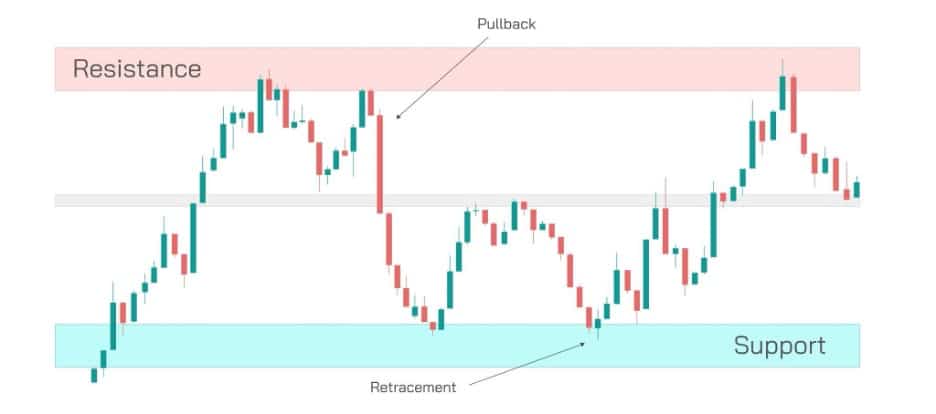
Breakout stocks are stocks that move beyond an important price level after trading within a defined range, pattern, support zone, or resistance zone. A breakout suggests that the stock may be entering a new price phase.
For example, if a stock has repeatedly struggled to cross ₹500 and then moves above ₹500 with strong volume, traders may treat it as a breakout. The price move becomes more meaningful when volume rises because it shows wider participation.
This is where price volume breakout stocks become useful. They combine price movement with trading activity, helping investors assess whether the move reflects genuine interest or only a short-term fluctuation.
Types of breakout stocks
Breakouts can appear in different ways depending on price structure, direction, volume behaviour, and market conditions. Knowing the type of breakout helps investors avoid treating every sharp move as the same signal.
Range breakout stocks
A range breakout happens when a stock moves above or below a price band where it has traded for some time. This may show that the market has moved out of indecision. If volume rises with the breakout, it can suggest stronger conviction from buyers or sellers.
Resistance breakout stocks
A resistance breakout occurs when a stock crosses a level where selling pressure appeared earlier. This can show that demand is becoming stronger than supply at that price zone. Higher volume adds more weight to the move because it indicates broader participation.
Support breakdown stocks
A support breakdown happens when a stock falls below a level where buying interest previously appeared. This may indicate weakening sentiment or stronger selling pressure. When the fall happens with high volume, traders may read it as a more serious breakdown.
Pattern breakout stocks
Pattern breakouts happen when stocks move out of chart formations such as triangles, flags, rectangles, or consolidation zones. These patterns often show stored-up buying or selling pressure. A volume-backed move can indicate that the market has chosen a clearer direction.
Volume-backed breakout stocks
Volume-backed breakout stocks are closely watched because they combine price movement with participation. In price volume breakout stocks, volume acts as a filter. It helps investors separate stronger breakouts from weaker moves that may reverse quickly.
5 momentum and sentiment signals visible in price volume breakout stocks
Price volume breakout stocks can help investors understand more than just price movement. They can indicate participation, sentiment change, technical confirmation, sector interest, and possible trend strength.
Stronger market participation
A breakout backed by higher volume may show that more traders and investors are participating in the move. This is different from a low-volume rise, where price may move because of limited activity. Higher participation can suggest that interest in the stock is widening.
For investors tracking price volume breakout stocks, this matters because volume adds depth to the price signal. It shows whether the move is being supported by broader buying or selling activity, rather than a small number of trades.
Change in investor sentiment
Breakouts can reveal when market sentiment towards a stock is shifting. A stock that has remained range-bound may move higher when investors become more optimistic about earnings, sector demand, news flow, or future growth. Similarly, a downside breakout can show rising caution.
Price volume breakout stocks help investors notice these sentiment shifts early because both price and volume move together. This does not confirm future performance, but it can show where confidence or concern is building in the market.
Breakout quality at key price levels
Important price levels matter because many traders watch the same support, resistance, and consolidation zones. When a stock crosses such a level with strong volume, the breakout may appear more credible. Without volume, the move may be weaker or more likely to reverse.
This is why price volume breakout stocks are useful for assessing breakout quality. They help investors judge whether a stock is only touching a level briefly or moving beyond it with stronger market backing.
Early signs of sector rotation
Sometimes, breakout activity appears across several stocks in the same sector. This may indicate that investors are shifting interest towards a particular theme, such as infrastructure, banking, defence, technology, or consumption.
A single breakout may be company-specific, but repeated breakouts across a sector can suggest wider market rotation. Tracking price volume breakout stocks can help investors identify where market attention may be moving. This adds a sector-level lens to momentum analysis, instead of focusing only on individual stock movement.
Difference between momentum and income-focused opportunities
Breakout stocks usually attract investors looking for momentum, while income-focused investors may track categories such as upcoming dividend stocks. Comparing these groups can help investors understand different market behaviours.
Momentum lists show where price and volume activity is building, while dividend lists may highlight companies linked with payouts and cash-flow stability. This contrast helps investors avoid mixing strategies. Price volume breakout stocks are useful for reading market sentiment, but they should be studied according to risk appetite and investment style.
Study market momentum with clearer signals
Breakouts can help investors spot changing momentum, but they work best when studied with context. Price movement alone may be misleading, while volume, trend direction, sector activity, and risk control can make the signal more useful.
Price volume breakout stocks offer a structured way to track where market participation is building. Many online trading and investment platforms, such as Ventura, make it easier to study breakout lists, curated stock categories, and market data in one place.
This helps investors approach momentum signals with more discipline, instead of reacting only to sharp price moves.