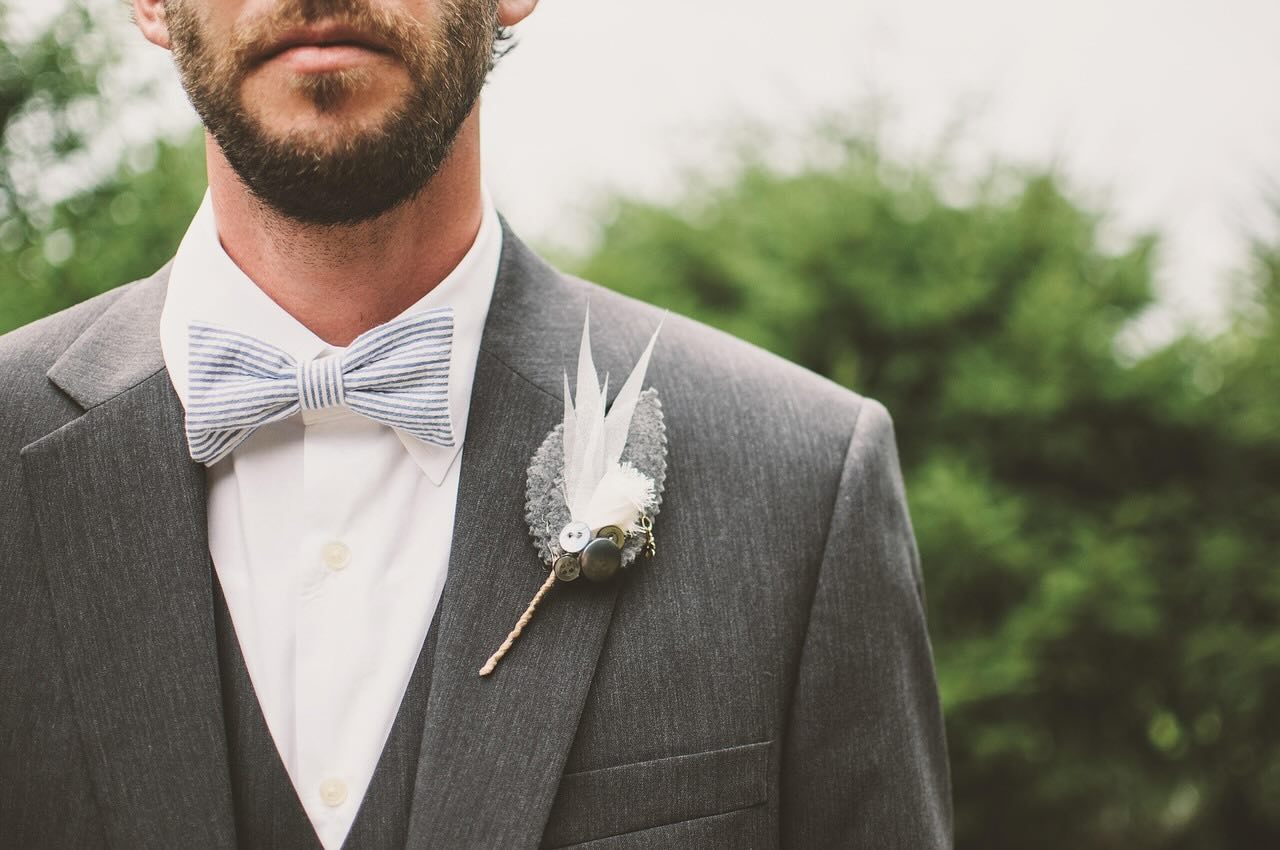
There is a particular kind of man who always appears well dressed, even when he is wearing nothing more complicated than a navy jumper and dark trousers. You notice him because nothing seems strained. The proportions are right. The fabrics sit properly. His shoes look considered rather than last-minute. It is rarely about fashion in the loud sense. It is about judgement.
Dressing well, at its core, is less about acquiring new things and more about learning to see.
Fit is where everything begins
The most expensive jacket in the room will still look wrong if the shoulders collapse or the sleeves swallow the hands. Conversely, a modest high-street coat can look quietly excellent when it fits cleanly across the back and falls to the right point on the thigh.
Pay attention to where seams sit. Trousers should break lightly on the shoe or not at all, depending on the cut. Shirts ought to skim the body rather than cling to it. A tailor remains one of the more underused resources in British menswear; small adjustments change the entire impression.
Good fit does not mean tight. It means intentional.
Build a wardrobe that makes sense together
Some men approach clothing as isolated statements. A bold jacket here, an unusual pair of shoes there. The result can feel disjointed. A more assured approach is to think in terms of continuity.
A palette anchored in navy, charcoal, olive, brown and cream offers breadth without chaos. Textures then provide interest: brushed wool in winter, crisp cotton in summer, suede instead of polished leather on relaxed days. When garments share a visual language, dressing becomes simpler and the overall effect more coherent.
This is where personal taste reveals itself. One man may lean towards soft tailoring in the manner of Giorgio Armani, favouring drape and ease. Another might prefer the sharper lines associated with Tom Ford. Neither is inherently better. What matters is consistency.
Shoes and glasses carry more weight than you think
If you are uncertain where to focus attention, start at the extremities. Shoes and eyewear frame everything else.
A well-made loafer or derby grounds even the simplest outfit. Scuffed trainers and cracked soles, however subtle, undermine it. The same is true of spectacles. Frames sit at eye level; they are one of the first details anyone registers.
Men’s designer spectacles are not about conspicuous logos. They are about proportion, material and restraint. The difference between acetate that glows slightly in daylight and plastic that looks flat is perceptible, even if one cannot quite articulate why. Thin metal frames can lend intelligence; thicker tortoiseshell can soften a severe face. The key is harmony with bone structure and colouring.
In this respect, eyewear functions almost like tailoring for the face.
Learn from men who rarely look try-hard
It is instructive to observe men whose style seems instinctive. David Beckham has long understood the value of simplicity: slim denim, clean boots, a well-cut coat. Daniel Craig, particularly outside his tenure as James Bond, favours uncomplicated knitwear and tailoring that fits impeccably.
What they share is not trend-chasing but clarity. There is little excess. Colours rarely shout. Silhouettes feel deliberate.
Of course, celebrity examples are only reference points. The more useful exercise is noticing well-dressed men in ordinary contexts: on the train, in a café, at work. Often the formula is steady. Good coat. Clean shoes. Thoughtful knit. Glasses that suit the face.
Avoid the noise
Modern menswear can feel crowded with advice. Seasonal must-haves. Micro-trends. The suggestion that style requires constant renewal. It does not.
A well-chosen navy blazer will outlast several fashion cycles. So will a grey flannel suit, a camel overcoat, a white Oxford shirt. Trends can be enjoyable, but they are best treated as accents rather than foundations.
Dressing well is also about knowing when to stop. Too many accessories distract. Too much branding diminishes the wearer. The aim is not to appear styled but to appear settled.
Confidence is quieter than you expect
The final element is internal. Clothes cannot compensate for discomfort. When something feels alien, it shows. The best-dressed men tend to repeat silhouettes that work for them, refining rather than reinventing.
They understand their proportions. They know which colours flatter their skin. They replace worn pieces without drama. Their wardrobes evolve gradually, not in reaction.
In the end, dressing well is an accumulation of small, sensible decisions. A jacket altered properly. Shoes polished. Spectacles chosen with care. Nothing revolutionary. Nothing theatrical. Just an understanding that presentation, like conversation, benefits from thoughtfulness.
And that thoughtfulness, more than any label, is what people remember.