
So, you’ve earned your certification, and now you’re gazing at the map, dreaming of the ultimate diving baptism. Let me tell you, choosing the Maldives liveaboard diving experience is like stepping onto the Premier League pitch of underwater exploration. It’s exhilarating, but it requires a bit of savvy planning, especially for your first time. The Maldives, with its tranquil lagoons and flourishing coral reefs, is ideally suited for new divers. The beauty is that the most incredible sights are often found just below the surface, making it an ideal environment. But don’t just book any boat! The secret to a perfect trip lies in choosing a beginner-friendly liveaboard in the Maldives. This guide will be your personal dive buddy, helping you navigate the choices for your spectacular 2026 adventure.
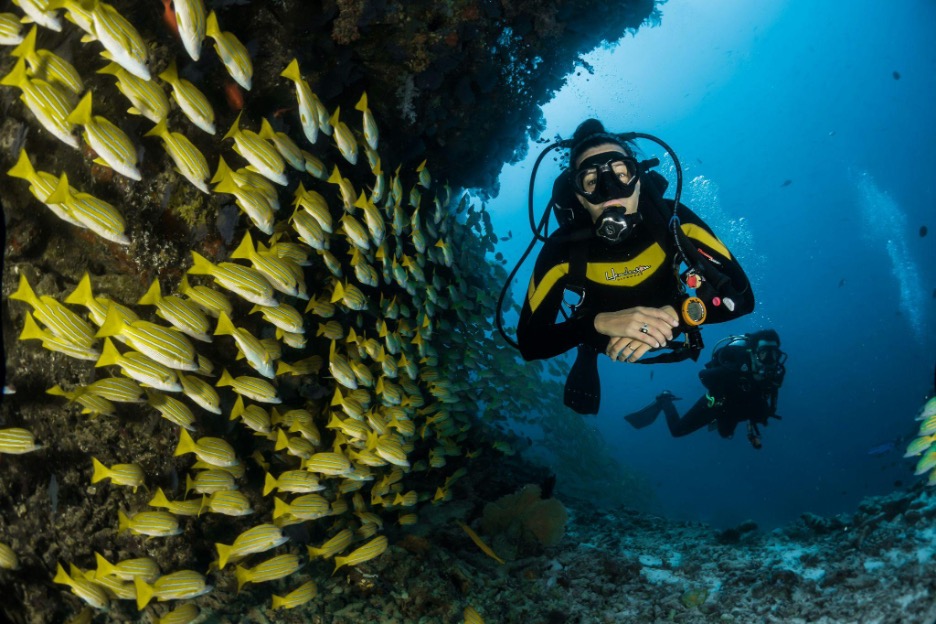
Understanding the Beginner Liveaboard Experience in the Maldives
Let’s demystify the rhythm of liveaboard dive trips Maldives—it’s an immersive marathon, not a sprint. Picture this: you wake up, dive, eat a hearty breakfast, dive again, lunch, nap, dive, dinner, and maybe a night dive, then rest. This routine is a complete departure from the typical resort diving, where you might do one or two dives a day. Because you’ll be doing three or four dives daily, managing your physical comfort and safety is paramount. The minimum requirement is usually an Open Water Diver certification, but truly understanding your limits is what matters. Every reputable operation starts with a mandatory check dive. This isn’t a test; it’s the crew confirming your buoyancy and comfort level. Also, make sure you look into Enriched Air Nitrox certification. While it sounds complex, Nitrox simply extends your bottom time and, crucially for beginners doing multiple dives, minimizes nitrogen buildup, making you feel significantly less fatigued by the end of the day.
Vessel Selection: Prioritizing Safety and Comfort
When scrutinizing liveaboard boats Maldives, don’t just look at the shiny brochures showcasing the sundeck. Your focus as a beginner must be on the vessel’s operational aspects. The dive platform is key: in the Maldives, diving is often conducted from a separate support vessel, the dhoni, which keeps the leading boat quiet and less cluttered. Is the Dholi spacious? Can you gear up easily without tripping over someone’s fins? Next, scrutinize the rental gear policy. You need well-maintained, modern gear, as cheap, unreliable equipment adds unnecessary stress. Furthermore, an excellent crew-to-guest ratio is priceless—it means you won’t be one of ten people crowding around a single guide, ensuring personalized attention for buoyancy issues or moments of confusion. Ultimately, a comfortable cabin and reliable safety protocols are non-negotiable foundations for enjoying your first Maldives liveaboard.
Choosing the Ideal Itinerary: Central Atolls for the New Diver
Where you dive is just as important as the boat you choose. For your inaugural Maldives scuba liveaboard trip, stick to the tried-and-true Central Atolls—think North Male, South Male, and the famous Ari Atolls. These routes are the velvet glove of Maldivian diving. Why? The currents here are generally more predictable, the channel crossings are shorter, and the dive sites are well-sheltered, offering a perfect blend of spectacular marine life (think manta rays and whale sharks at cleaning stations) without the punishing currents. You must, however, use caution: avoid any itinerary that boasts about “extreme channel drifts,” “Deep South expeditions,” or focuses solely on exposed pinnacles. These exhilarating adventures are reserved for advanced divers with hundreds of dives under their belt. Your goal for 2026 is a fun, foundational experience, not battling a washing machine full of water.
Timing Your Trip: Navigating the 2026 Monsoon Seasons
Timing can be everything for a beginner diver. The Maldives has two primary seasons, and you want to book during the one that offers the most serene surface conditions. We recommend aiming for the Iruvai (dry) season, which runs from December to April. During these months, the weather is typically calmer, meaning fewer choppy transfers between atolls, which is a significant bonus if you are prone to seasickness. The alternative, the Hulhangu (wet) season (May to November), can bring more plankton, attracting colossal marine life like manta rays, but it also means potentially rougher surface conditions and sometimes reduced visibility, which can be disorienting for a new diver. For a stress-free introduction to the liveaboard Maldives lifestyle, prioritize the calm, clear waters of the Iruvai.
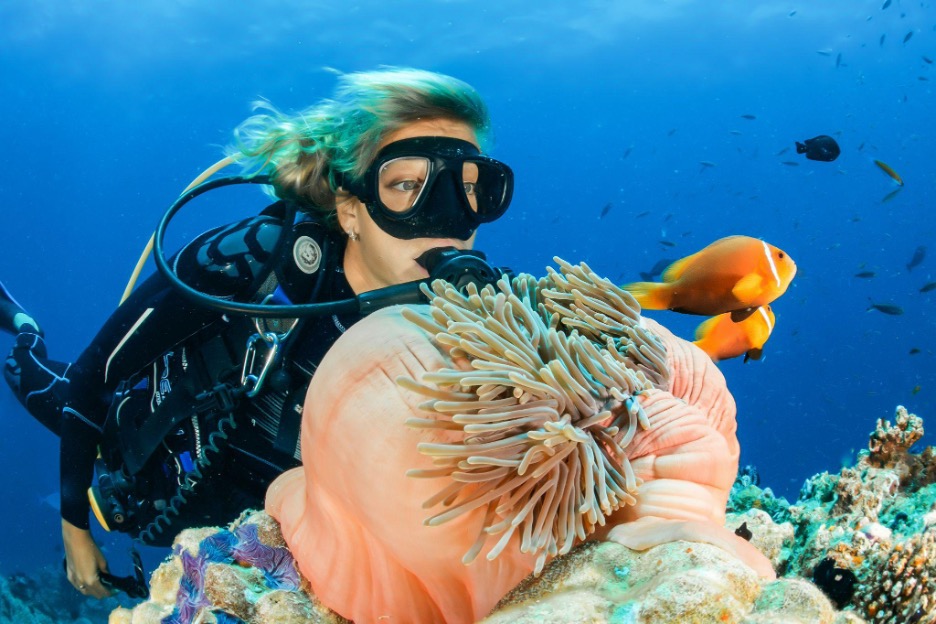
Budget and Value: Financial Considerations for Beginners
When reviewing pricing for a Maldives liveaboard, remember that diving is an activity where cutting corners on cost often means compromising safety or comfort. Prices vary widely, but as a beginner, you should look beyond the sheer dollars. A standard package will cover your cabin, meals, tanks, weights, and guide services—that’s the core experience. What often adds up are the extras: gear rental, mandatory marine park fees, the increasingly common Nitrox package, and the all-important tips for the crew. Prioritize value over a “deal.” Value means a boat with a highly experienced, perhaps slightly older, crew and modern, well-maintained equipment. Paying a little more ensures you have professional help right there when you need it, which is the best insurance you can buy on a dive trip.
Essential Preparation for Your First Liveaboard
Preparing properly for your first liveaboard is half the battle. Think of this as getting your gear in order before a major expedition. First, handle the admin: verify that your dive insurance (we’re talking medical and evacuation coverage) is absolutely current, and make sure you’ve updated your logbook with your training dives. When packing, remember that soft bags are vastly superior to hard suitcases because they are easier to stow in tight cabins. Don’t overpack your clothes; you’ll practically live in a swimsuit and a t-shirt. The one major thing you need to focus on is a few personal items that will dramatically improve your comfort.
Practical Items Checklist:
- A personal dive computer for safety and tracking your limits.
- Reef-safe, water-resistant sunscreen to protect you and the ecosystem.
- Motion sickness medication (even if you think you do not need it—better safe than sorry).
Conclusion
Stepping aboard for your first liveaboard experience is a monumental occasion. Remember, the best choice you can make for your 2026 liveaboard Maldives trip is not the biggest boat, but the smartest one. Prioritize a vessel that caters to new divers, ensuring a gentle introduction to the currents and channels of the Central Atolls. Seek out operators who boast small dive groups and demonstrate robust, uncompromised safety protocols. With focused preparation and the right vessel, you are guaranteed an unforgettable, confidence-building adventure beneath the waves. Go ahead, book that trip—the underwater world of the Maldives is waiting to welcome you.