For many Filipino families, staying within budget while also making healthy food choices can be a real challenge. With rising food prices, busy schedules, and tempting fast food all around, it’s easy to feel like healthy meals are out of reach.
However, with a bit of planning and creativity, you can make nutritious eating part of your daily life, without spending more than you can afford. Let’s explore some practical ways you can eat better and save money at the same time:
1) Start with a Plan and Stick to It
To begin, take time to plan your meals for the week. Write down what dishes you want to cook, what ingredients you’ll need, and which meals can be reused as leftovers. Once you have your list, do your best to stick to it. This helps avoid impulse buying, especially for processed snacks and ready-to-cook meals, which are often more expensive and less healthy.
For example, if you plan to cook sinigang for dinner, consider how the leftover pork and vegetables can be used for a stir-fry or as a rice topping the next day. In doing so, you save both time and money.
2) Know When and Where to Shop
Another important strategy to lower your food costs is to time your shopping wisely. Try to shop during store sales or when there are promotions on staple items. And when you spot a deal, stock up on healthy pantry essentials such as brown rice, oats, munggo, canned tuna, and dried fruits. These items last a long time and can be used in many nutritious meals.
In addition, it’s the smarter thing to do to shop for fruits and vegetables that are in season. These seasonal items aren’t just cheaper—they’re usually fresher and taste better, too.
If you’re using a credit card, make the most of rewards or points that can go toward your groceries. Cards like the Landers Cashback Everywhere Credit Card, a Landers membership credit card, will offer cashback and other perks that you can make good use of for your healthy eating goals.
3) Rethink Your Protein Sources
Next, let’s talk about protein. Meat is usually one of the most expensive items in the Filipino diet, but it’s not the only source of protein. Fortunately, you can replace or stretch out meat in your meals using more affordable alternatives like tofu (tokwa), eggs, or even canned sardines.
For instance, you can cook munggo with malunggay and a small amount of pork or tinapa to give flavor, while still keeping the dish mostly plant-based. It’s hearty, affordable, and full of nutrients. Likewise, tofu and eggs are versatile and can be used in many Filipino dishes. Try an omelet filled with leftover vegetables.
4) Make Friends with Your Freezer
Fresh vegetables and fruits are ideal, but they don’t always last long. To minimize waste, buy frozen or canned produce and keep them in stock. Frozen vegetables like broccoli, carrots, spinach, and even fruits like strawberries are usually picked at their peak and frozen right away, which helps preserve their nutrients. As a result, they stay edible much longer than their fresh counterparts.
Similarly, canned vegetables and beans are convenient to keep on hand. Just choose low-sodium versions, or rinse them before cooking to cut down on salt. These work well in stir-fries, soups, or as quick side dishes.
Beyond that, freezing your leftovers can help stretch your grocery budget. When you cook a big batch, say of tinola or pinakbet, freeze extra portions to reheat later. This way, you’ll save both time and effort on busy days.
5) Pack Lunches Instead of Buying Out
It’s common to buy lunch outside, whether at the office canteen, nearby carinderia, or through food delivery apps. But even spending PHP 150 a day adds up quickly. Instead, prepare your own lunch at home to significantly cut your food expenses.
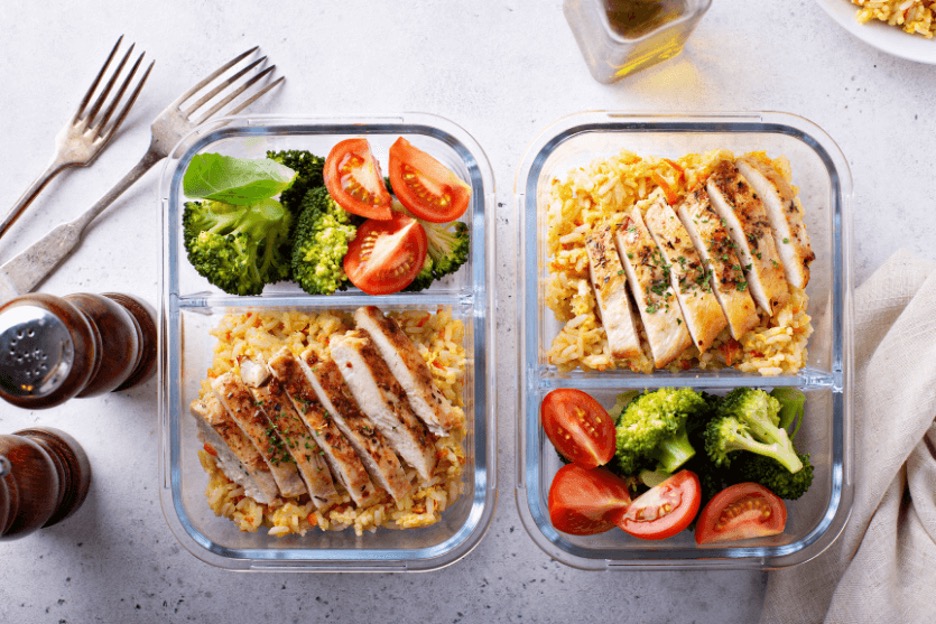
Try this: use leftovers from dinner or cook extra portions with lunch in mind. A simple rice bowl with eggs, vegetables, and some meat or tofu can be just as tasty and more budget-friendly than what you’d get outside. Also, don’t forget to bring your own water or drinks instead of buying sugary beverages.
Over time, this small habit can help you save money and give you more control over your diet.
6) Choose Recipes That Stretch Ingredients
Another great tip is to cook meals that use fewer ingredients but still feel complete. Recipes like lugaw, misua with patola, or ginisa with a small amount of chicken can be very filling and comforting without being costly.
Even better, use one main ingredient across multiple dishes. For example, grilled chicken can be served with rice one day, then added to a salad the next, and used in a noodle soup the day after. By doing this, you reduce waste and add variety to your meals without buying more ingredients.
Eat Healthy, Spend Less
Eating healthy doesn’t mean buying imported ingredients, superfoods, or expensive brands. It’s more about being smart with your choices. With some planning, smart shopping, and simple cooking habits, you can nourish your family well without going over budget.
In summary, be flexible, make the most of local and seasonal produce, stretch your ingredients, and reduce waste. Small changes—like cooking more at home, packing lunch, using frozen veggies, and shopping with a plan—can make a big difference over time.
Finally, remember that making healthy eating affordable isn’t about doing everything perfectly. Just be sure to take practical steps that work for you and your family, one meal at a time.