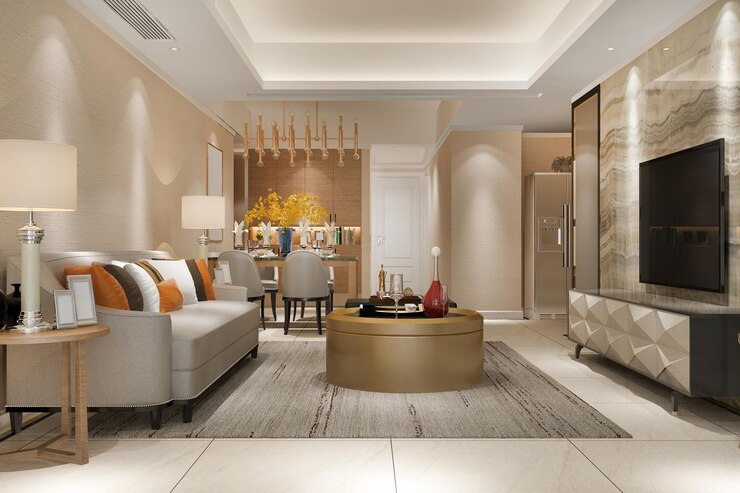
Your home’s interior design shapes and enhances your lifestyle. A well-thought-out interior creates a calming effect, reducing stress and providing peace of mind. Your home should be a comfortable, harmonious space and a sanctuary you can retreat to. Learn how effective and creative residential interior design in Singapore can elevate your living standards.
The Psychological Impact of Interior Design
Interior design has a profound impact on our emotions. The appearance and arrangement of a room can influence our mood and mental well-being. For example, colors are crucial—soft greens and blues tend to have a calming effect, while bright reds and yellows can be invigorating.
Lighting is another important factor. Natural light can uplift our spirits, whereas poor lighting may lead to a sense of gloom. Additionally, the placement of furniture and the overall layout of a space can affect how relaxed or stressed we feel.
Therefore, selecting the right colors, lighting, and layout goes beyond aesthetics. It’s about creating an environment that promotes relaxation and happiness.
Reflect your style
Interior designers in Singapore can help you choose colors, furnishings, and textures that reflect your taste and personal style. This creates a unique space that enhances visual appeal and fosters comfort and harmony. Incorporating design elements that reflect your interests and passions makes spaces more personal and uniquely yours.
Use space efficiently
Make efficient use of your available space, optimizing it for both comfort and functionality. Careful layout planning and furniture choices can create multipurpose areas, such as combined kitchen and dining rooms or living rooms that double as home offices.
Create a relaxing environment
Your home’s interior affects your mood and state of mind. Opt for a calming atmosphere with serene color schemes, comfortable furniture, and ample natural lighting. Add plants and natural materials for a soothing environment that improves your overall well-being.
Keep your interior clutter-free and organized
Integrate adequate storage space into your design to keep each room organized and clutter-free. This makes your home more appealing and easier to clean. Consider custom wardrobes, built-in shelves, multifunctional furniture, and under-stair storage.
Incorporate sustainability
Focus on sustainable living by incorporating eco-friendly materials, sustainable furnishings, and energy-efficient lighting into your home’s interior design. This creates a healthier living space.
Create flexible spaces
Design interior spaces that can adapt to your changing needs. Flexibility is essential, enabling you to transform rooms as your lifestyle evolves. For example, consider a playroom that can easily be converted into a study area as your children grow.
Incorporate ergonomic design
Ergonomics is crucial in residential interior design, especially in areas where people spend significant time, such as a home office, bedroom, living room, or kitchen. Incorporating ergonomic features like furniture and well-planned layouts reduces discomfort and encourages better posture, enhancing overall physical well-being.
Pay attention to detail
Enhance your home’s visual appeal by focusing on the finer details. Carefully arrange artwork and accessories, and select appropriate hardware and light fixtures to improve the look and feel of your indoor space.
Create inviting spaces for entertaining
A well-designed home facilitates hosting gatherings and promotes social interaction. Consider using open-plan layouts for your entertainment areas, incorporating comfortable seating arrangements, and ensuring there is ample dining space to foster a pleasant atmosphere for your guests. You can also enhance your living and dining spaces with functional outdoor areas, such as balconies and patios, to offer additional opportunities for socializing.
Prioritize lighting
Lighting can greatly influence the mood and atmosphere of a room. It can create a calm and serene setting or a lively and colorful one. Dimmers, for instance, allow you to adjust the lighting levels to set the right mood for different occasions. Well-chosen lighting can also highlight specific elements of a space, such as furniture, artwork, or architectural details. While lighting needs to be functional, the right fixtures and styles can help impart the desired atmosphere to a particular room. Lighting is often considered an art form, and experienced interior designers can guide you in making the best choices based on your preferences.
Add a touch of nature
Consider adding natural elements to your interior design, like indoor plants, a window flower box, or a water feature. These touches of nature can create a relaxing and calming atmosphere for the body, mind, and soul.
Conclusion
With the right interior design techniques and creativity, you can shape your lifestyle in many ways. Thoughtful residential interior design helps you achieve functional, visually appealing, and comfortable living spaces.