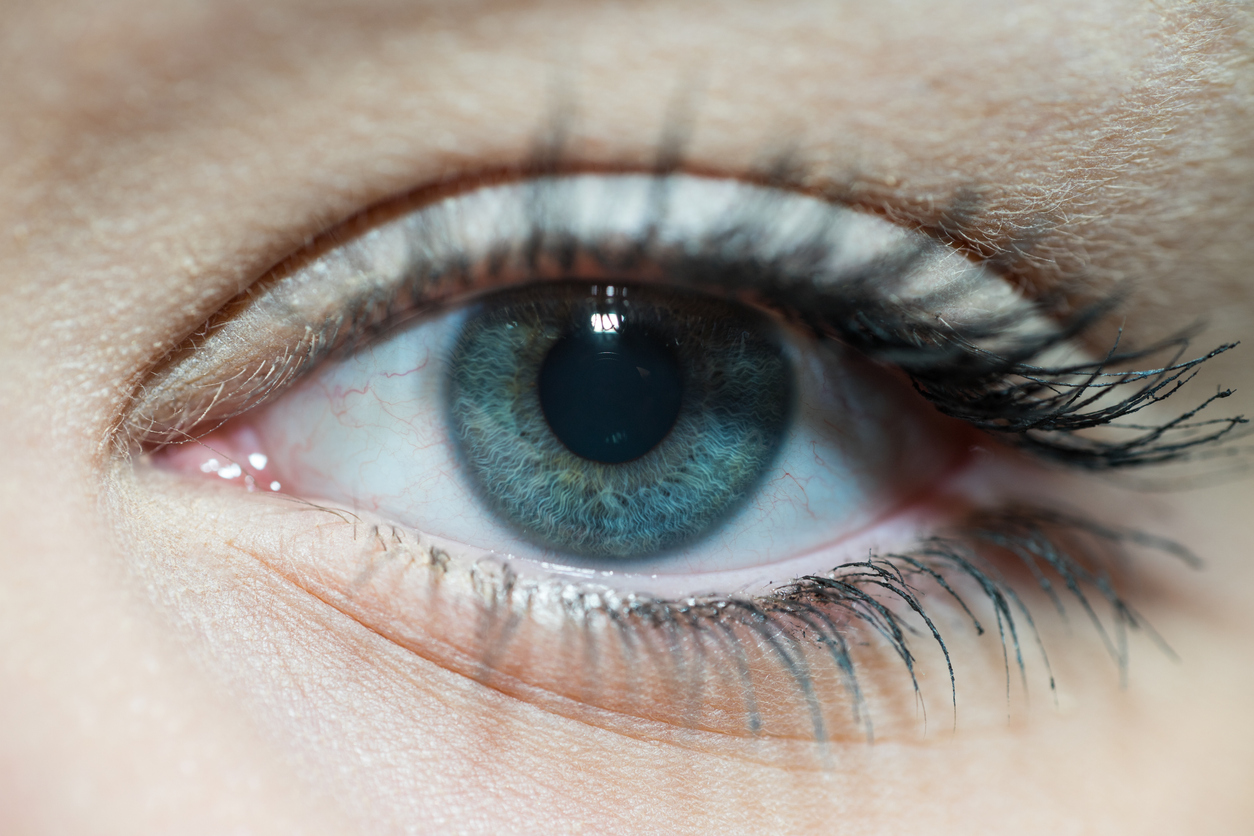
Deeply ingrained in ancient civilizations all over, the idea of the third eye has usually stood for wisdom, higher consciousness, and spiritual perception. Different civilizations have connected this mythical eye to enlightenment, divine insight, and even supernatural ability. In spiritual traditions, indigo is the third eye chakra color; it stands for deep consciousness, intuition, and a broad perspective. From Hinduism and Buddhism to ancient Egypt, the third eye has been fundamental in forming spiritual ideas and rituals.
The Third Eye in Hinduism
Hindu tradition links the third eye closely with the Ajna chakra, which is thought to be the center of insight and intuition. Found in the middle of the forehead, directly above the eyebrows, it is portrayed by a lotus flower with two petals. Often seen with a third eye, which stands for his capacity to see beyond the physical world, the Hindu god Shiva, sometimes known as the destroyer and transformer, is Legends say that Shiva’s opening his third eye releases great spiritual power that destroys ignorance and reveals ultimate truth, so eradicating
Hindu books also stress the need to open the third eye using meditation and spiritual exercises. Long seeking to awaken this inner vision to reach greater awareness and connect with the divine are yogis and sages. Meditative visualization methods can use the third eye chakra’s blue hue to improve clarity and intensify spiritual experiences.
The Third Eye in Ancient Egypt
Particularly via the Eye of Horus symbol, ancient Egypt also had a strong relationship to the third eye. Often encountered in hieroglyphs and temple carvings, this holy emblem stood for protection, knowledge, and heavenly view. Said to have healing and protecting qualities, the Eye of Horus was meant to guard people from bad energies. According to some academics, the Eye of Horus resembles the pineal gland in the human brain rather strikingly, and this is usually connected with the third eye in contemporary spiritual activities.
Rituals and rites meant to activate their inner vision were well-known among Egyptian priests and spiritual leaders. Opening the third eye, people thought they could reach heavenly wisdom and interact with higher worlds. Egyptian art’s use of symbolic images and holy geometry emphasizes even more their strong awareness of spiritual perspective.
The Third Eye in Buddhism
Buddhism likewise stresses the third eye as a means of inner enlightenment rather highly. Usually showing the awakened level of consciousness, the Buddha is shown with a tiny dot or mark between the eyebrows. This “eye of wisdom” stands for the capacity to reach spiritual clarity beyond worldly distractions.
Buddhist teachings center on meditation and mindfulness techniques; many of the monks and practitioners concentrate on the third eye chakra to improve their insight and relationship to universal truth. Advanced meditators in Tibetan Buddhism are supposed to achieve deep intuitive knowledge and clairvoyant skills employing the third eye-opening.
The Third Eye in Other Ancient Cultures
China and the Third Eye
The third eye is connected in ancient Chinese society to Taoism and Qi energy. Focusing energy on the forehead area, the Qigong and Tai Chi practices help to improve intuition, spiritual awareness, and healing capacity. Certain Taoist gurus were thought to have achieved “inner vision,” which would have let them access great wisdom and see latent energies.
The Mayans and the Third Eye
Strong spiritual traditions anchored on cosmic awareness and superior vision also belonged to the Mayan culture. Reflecting their conviction in obtaining heavenly wisdom, their temples and holy sites were sometimes oriented with respect for celestial bodies. To interact with spirits and obtain understanding of the secrets of the cosmos, Mayan shamans activated the third eye by use of holy herbs and ceremonies.
Modern Interpretations of the Third Eye
The third eye remains a potent emblem of enlightenment and intuition in modern spiritual practices. Many think that by means of meditation, breathwork, and some diets, waking the third eye might improve psychic ability and extend consciousness. Indigo, the third eye chakra color, is still connected with inner knowledge, insight, and great wisdom.
As old civilizations have revealed, the third eye is a portal to understanding the cosmos and releasing latent knowledge—not only a mystical idea. Through investigating these age-old customs, contemporary searchers can get direction and inspiration for their own spiritual path.